
Reviewed · RUM TOURS & TASTINGS
San Pedro De Macoris: Ron Barcerló Rum Factory Tour
Ron Barceló turns Dominican sugar cane into rum through a surprisingly hands-on process. You’ll see aging cellars, barrel preparation, filling tanks, bottling, and packaging, then finish with a tasting of Añejo or Imperial rum. The barrel workshop and the old and new production methods make this more than a quick drink stop.
I like the clear look at how the rum is made, and I like the small museum, which adds useful company history without taking over the visit. The biggest consideration is getting there: the factory is outside the main town area, signs are limited, and you must climb a 25-step staircase. Sandals and high heels are not allowed.
Key points to know
- The aging cellar shows how rum rests in barrels and how evaporation affects the finished spirit.
- The barrel workshop lets you see barrels being scraped and burned before use.
- The tasting may include Añejo, Imperial, or several different rums, depending on the selected option.
- The Imperial tour lasts about 90 minutes and includes a tasting inside the aging cellar with a private guide.
- The museum and video explain Ron Barceló’s past and the wider story of rum production.
- The factory is remote, so arrange your return transportation before you arrive.
What the Ron Barceló factory tour is really about
This is a production tour first and a tasting visit second. You are not simply shown a polished visitor room, handed a glass, and sent on your way. The route takes you into working areas where rum is aged, barrels are prepared, tanks are filled, and bottles are packed.
That matters because rum can seem like a simple drink until you see the steps behind it. Sugar cane must be harvested and processed, the spirit must be distilled, and the rum must spend time in barrels before it reaches the bottle. The tour connects those stages in a practical way.
The visit takes place at the Centro Histórico Ron Barceló, described as the first center of its kind in the Dominican Republic. It combines active factory areas with a museum, tasting bar, and shop. The result feels part factory walk, part brand museum, and part introduction to Dominican rum.
You can expect a tour lasting from about one hour to 90 minutes. The shorter visit is a good fit if you want the basic process and a tasting. The longer Imperial option gives you more time and places the tasting inside the aging cellar.
More Rum Tours in Dominican Republic
- 101 Oliver Rum Tasting & Pairing And Taino Concept Store
★ 5.0 · 244 reviews - Punta Cana Buggy with Cave Dip, Mamajuana Tasting & Macao Beach
★ 4.5 · 233 reviews - Punta Cana Oliver & Oliver Rum Tasting & Taino Concept Store
★ 4.6 · 146 reviews
The aging cellar explains what time does to rum
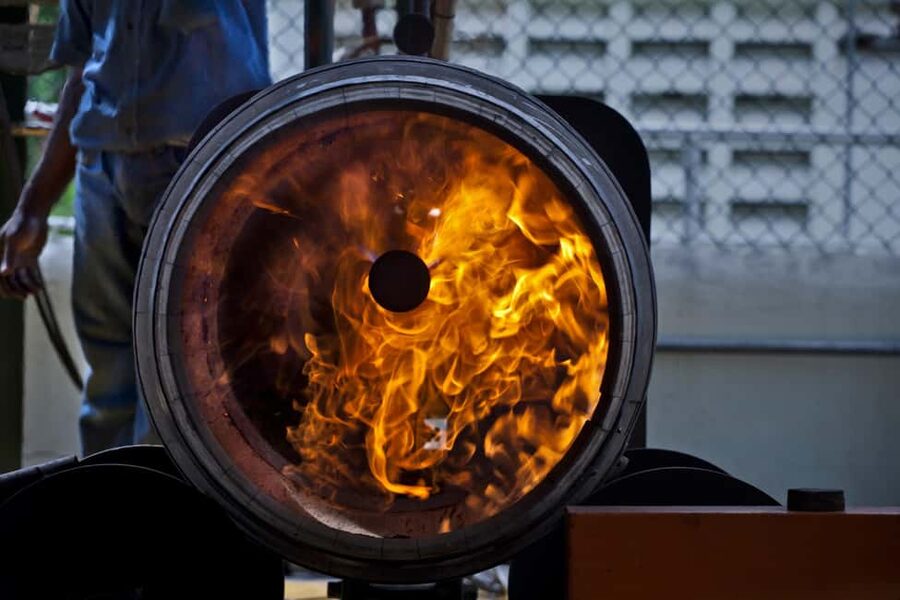
The aging cellar is one of the most interesting stops because it gives you a physical sense of the time involved. Rows of barrels hold rum as it matures, and your guide explains the evaporation process. Some of the liquid is lost while the rum rests, a normal part of barrel aging that affects concentration and character.
This is also where the Imperial option has its main advantage. Rather than tasting in only the visitor center, you can taste Imperial rum inside the aging cellar. The 90-minute version includes a private guide who explains how to appreciate the rum, so it suits anyone who wants more detail and less of a standard group visit.
I would select this option if rum itself is the main reason you are coming. If you are mainly curious about the factory and want a reasonably priced outing, the regular tour should be enough.
The cellar may also be one of the cooler parts of the visit, but do not treat it as a quiet tasting lounge. You are still touring a production site. Listen closely to the guide, keep with the group, and wear shoes that are secure and comfortable.
The barrel workshop shows the craft behind the bottle
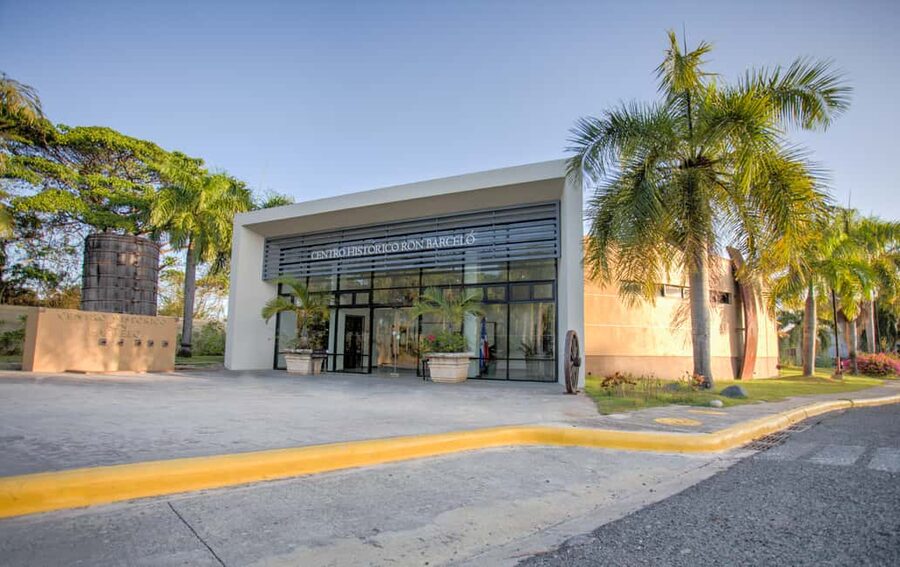
The barrel workshop gives the tour a useful change of pace. Before the barrels are used for aging, they are prepared by scraping and burning. Those jobs sound basic, but they help explain why the barrel is more than a storage container.
The workshop also gives you a glimpse of older production methods. The factory tour combines these traditional steps with modern filling, bottling, and packaging operations. That mix is one of the strongest reasons to visit instead of simply buying a bottle at a shop.
You will not only hear that rum is aged in barrels. You will see where the barrels are prepared and how they fit into the larger production chain. For anyone interested in food and drink production, this is likely to be more memorable than the gift shop.
Tanks, bottling, and packaging show the modern side
After the cellar and barrel areas, the route can include the tank filling operation and bottling plant. This is where the finished product moves toward the bottle you see in stores and bars.
The bottling area may not always be operating during your visit. A January visit found the bottling plant closed because of the time of year, but the tour still included enough of the other factory sections to make the trip worthwhile. That is worth keeping in mind if you expect a fully active production line.
Even with part of the plant quiet, the modern side of the process helps complete the picture. You see that rum is not only about old barrels and patient aging. It also depends on tanks, packaging, quality control, and an organized route from storage to sale.
The factory is described as eco-friendly and focused on premium rum production. The tour gives you a chance to see the process behind that claim rather than asking you to accept a slogan without evidence.
More rum tours in La Romana:
- Rum Tasting Tour at Casa BACARDÍ in Puerto Rico
★ 4.5 · 1,095 reviews - Rum Tasting and Food Walking Tour in Nassau Bahamas
★ 5.0 · 1,030 reviews - Full-Day Tour: Concord Waterfall, Chocolate Factory, Rum Distillery, Grand Etang
★ 5.0 · 871 reviews - Topper’s Rhum Distillery Tour in St Maarten
★ 5.0 · 784 reviews
The museum adds context without taking too much time
The small museum sits near the end of the visit. It covers the history of rum and Ron Barceló’s development, and it may include a video with more detail about the company and its production.
I like this placement. You first see the practical work, then get the background that helps it make sense. A museum at the start can feel like homework. Here, the historical material comes after you have seen barrels, tanks, and bottles, so the information has something concrete to attach to.
Do not expect a large national museum. The collection is small, but it provides a useful pause before the tasting. You will also find the visitor center and tasting bar in this part of the complex.
The tasting is the reward, not the whole reason to go
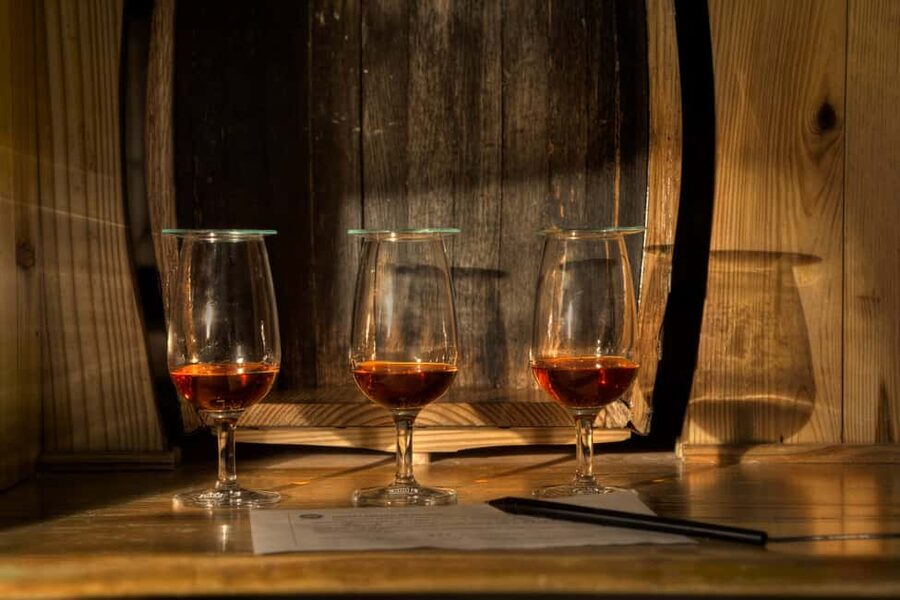
The standard experience includes an Añejo tasting, and the Imperial option includes Imperial rum. The exact tasting can vary, and one visit included three different rums. You may also be able to purchase additional samples if you want to compare more of the range.
This is a good place to pay attention to the guide. Rather than swallowing the samples quickly, use the tasting to compare color, aroma, sweetness, and the effect of barrel aging. The Imperial option includes guidance on how to appreciate the rum, which is useful if you normally drink rum in mixed drinks and have little experience tasting it on its own.
I would not book this solely for the quantity of alcohol. The tasting is part of a wider factory visit, and the value comes from seeing how the drink was made before you taste it.
The tasting also makes this outing a better fit for adults interested in spirits, production, and local products. If you do not drink alcohol, the factory and museum sections still offer something, but the final portion will naturally be less important to you.
Guides make a real difference to the visit
A live guide is included, and tours are offered in English, French, Spanish, German, and Italian. Recent guide names connected with the experience include Juan Carlos for English and Leonardo for French. Availability can change, so check your selected language when booking.
The guide matters here because the machinery and barrels do not explain themselves. You need someone to connect sugar cane, distilling, aging, barrel preparation, and bottling into one story. You should also feel free to ask questions, especially in the workshop and cellar.
Small-group availability is offered. That can make a difference in the museum and tasting areas, where a large crowd would make it harder to hear or examine the displays. You should confirm the group type for your chosen departure if that is important to you.
The guide-led format also helps when the factory is partly quiet. Even if a production section is not running, a good explanation can still show what normally happens there.
The shop has practical value for rum buyers
The visit ends near a souvenir shop with Ron Barceló merchandise and rum products. The shop is more useful than a typical logo-only stop because the factory price can be lower than prices elsewhere.
If you already know you want a bottle, compare prices before your visit and leave room in your luggage. The supplied information specifically points to factory rum prices as a strong reason not to skip the shop. You should still check baggage and transport rules for your own journey, since those details are not part of the tour.
The shop also lets you buy a reminder of the visit without turning the tour into a sales pitch. You can simply browse, purchase a bottle, or look at branded items.
Allow extra thought for transport and finding the entrance
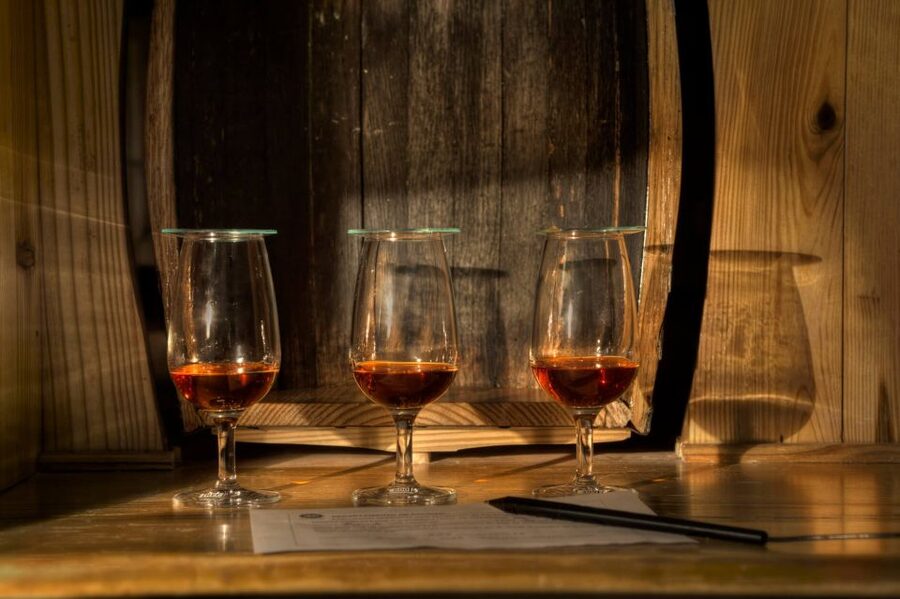
The meeting point is Ron Barceló, San Pedro de Macorís 21000, Dominican Republic, at approximately 18.5423793, -69.3855809. Transportation to and from the Centro Histórico is not included.
The factory is in a remote location, and the entrance may not have large signs or clear road directions. Use Google Maps and arrange your return transportation before arriving. If you are traveling independently, this is the most important practical issue to solve.
Do not assume finding a ride back will be as easy as finding one to the factory. Assistance may be available from the local team, but you should not make that your transport plan. A prearranged taxi or other confirmed ride will let you enjoy the tasting without worrying about the trip back.
The listed price is $20 per person. For that amount, you receive a guided factory visit, entry to the historic center, and a rum tasting. I consider that strong value, particularly if you are interested in how products are made. The Imperial option should cost more or be selected separately, so check the current price and inclusions before booking.
What to wear and what to expect on the route
Closed-toe shoes are required. Sandals, flip flops, and high-heeled shoes are not allowed, and weapons or sharp objects are prohibited. Choose simple, comfortable footwear rather than dressing for a resort bar.
You must climb a 25-step staircase. That is not a long climb, but it is important if stairs are difficult for you. The tour also takes place across factory areas, so shoes with a firm sole are the sensible choice.
Bring a passport or ID card. The tour information specifically requires one, so do not leave it behind at your hotel.
The route takes from one hour to 90 minutes, depending on the experience you choose. Food is not included, so plan to eat separately. The focus is on rum production and tasting, not a meal or full-day excursion.
Who will enjoy this tour most
I would recommend the standard visit to you if you are staying near San Pedro de Macorís, want a short cultural outing, or enjoy seeing how a familiar product is made. It also works well for adults who want a taste of Dominican industry beyond beaches and resort grounds.
The Imperial option is better for you if you already enjoy rum or want a slower, more focused tasting. The private guide and cellar setting make it the more special choice, though the standard tour gives you the main factory experience at a lower price.
Families can appreciate the museum and machinery, but the tasting is designed for adults. Anyone who dislikes alcohol or factory tours may find the visit less rewarding.
This is not the right pick if you need included transportation, a meal, or a completely flat route. It is also not ideal if your schedule is so tight that a remote meeting point and possible travel delays would cause stress.
Should you book the Ron Barceló factory tour?
Yes, if you want a fairly priced, focused look at Dominican rum production. The strongest parts are the aging cellar, barrel workshop, clear factory route, and tasting at the end. The small museum adds just enough context, while the shop may offer good prices on bottles and merchandise.
Choose the regular tour for the best balance of cost and time. Choose the 90-minute Imperial visit if you want the tasting to be the main event. Before booking, confirm your language, wear closed-toe shoes, bring identification, and arrange transportation back from the remote factory.
FAQ
Where is the Ron Barceló factory tour held?
The meeting point is Ron Barceló, San Pedro de Macorís 21000, Dominican Republic. The listed coordinates are 18.5423793, -69.3855809.
How long does the tour last?
The experience lasts between one hour and 90 minutes. The Imperial option is the 90-minute version.
How much does the tour cost?
The listed price is $20 per person. Check the current price for the Imperial option when selecting your tour.
What rum tastings are included?
The inclusions list an Añejo rum tasting and an Imperial rum tasting. The exact tasting may vary, and some visits include three different rums.
Which languages are available?
Live guides are available in English, French, Spanish, German, and Italian.
What should I bring and wear?
Bring a passport or ID card and wear closed-toe shoes. High heels, sandals, and flip flops are not allowed.
Is transportation included?
No. Transportation to and from the Centro Histórico Ron Barceló is not included. The factory is remote, so arrange your return transportation before the visit.
Just added around La Romana
- Saona Island Excursion from Bayahibe★ 4.0 · 103 reviews
- Monkeyland and Plantation Safari from La Romana★ 4.5 · 71 reviews
- Private Airport Transfer From Punta Cana To La Romana And Bayahibe★ 4.0 · 30 reviews
- Private Transfer Punta Cana Airport to/from Dreams La Romana★ 5.0 · 35 reviews
- Monkeyland & Plantation Safari Full Day from Juan Dolio★ 4.5 · 46 reviews
- Half-Day ATV or Buggy 4X4 from Bayahibe – La Romana★ 4.5 · 80 reviews
- Snorkeling in the Cenotes of Bayahibe★ 4.5 · 30 reviews
- Saona Island for Marella Discovery Passengers from La Romana Port★ 5.0 · 98 reviews
Rum Tours & Tastings, compared.
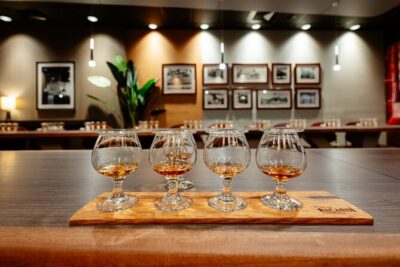
Rum Tasting Tour at Casa BACARDÍ in Puerto Rico
Read our review →
Rum Tasting and Food Walking Tour in Nassau Bahamas
Read our review →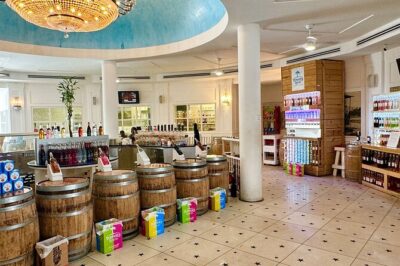
Topper’s Rhum Distillery Tour in St Maarten
Read our review →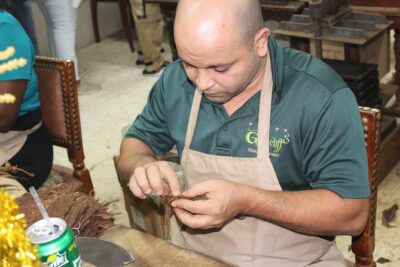
Rum Reggae and Rhythms Tour: Dancing and Cocktails
Read our review →
Mount Gay Signature Rum Tasting Experience
Read our review →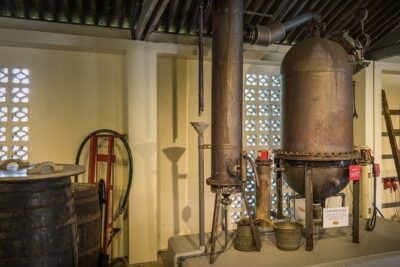
Guided Tour at the Curaçao Liqueur Distillery
Read our review →
Private Aruba Snorkeling Excursion with Rum Punch
Read our review →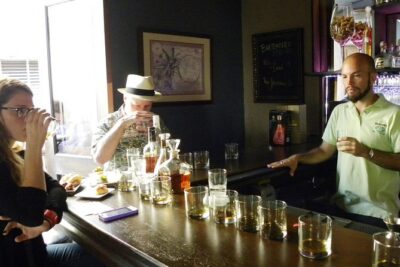
Browse the lists this tour appears in