
Reviewed · PLANTATION & GREAT HOUSE TOURS
Hunte’s Garden and St Nicholas Abbey small group Barbados tour
The most memorable part of this Barbados outing is the contrast between Hunte’s Garden, a lush garden built inside a former sinkhole, and St Nicholas Abbey, a 17th-century plantation house with an on-site rum distillery. Between them, you get surf, sugar history, hilltop views, and a useful look at the island beyond the beach resorts.
I like the easy hotel pickup and the chance to see several corners of Barbados in one morning. I also like the human touch: guides such as Lisa, Chris, Omar, Glyne, and Clyde have been praised for making the drive feel like part of the tour, not just transport. The main caution is timing. A five-hour tour can stretch much longer, especially when pickup routes or different Abbey activities slow the group down.
Key points to know before booking
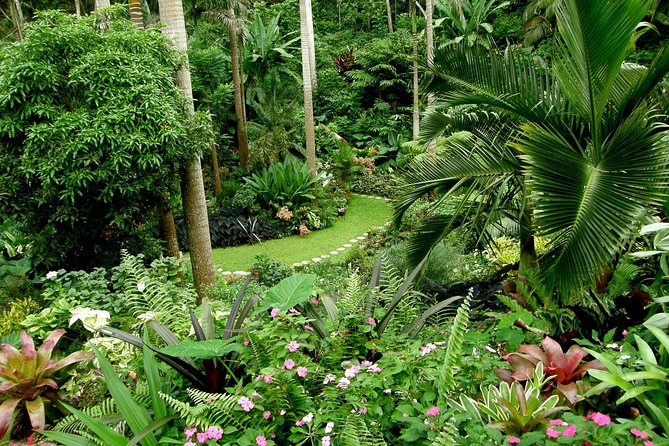
- Hunte’s Garden is the star for many people: Expect tropical plants, winding paths, birds, flowers, and a chance to meet Anthony Hunte on the property.
- Bathsheba is a scenic coastal stop: You get about 20 minutes for the surf, mushroom rocks, and photographs rather than a beach-swimming session.
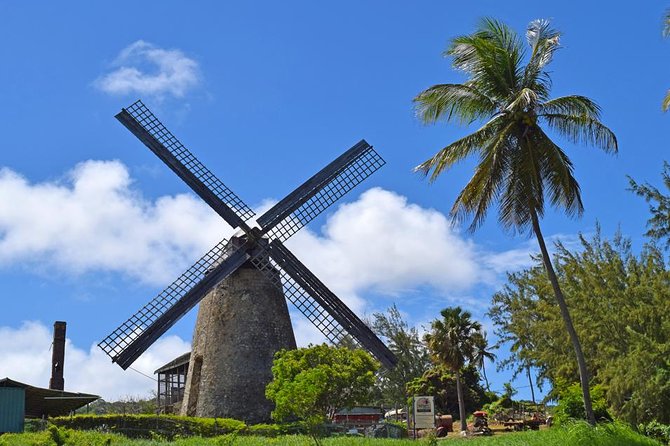
- Morgan Lewis adds sugar history: The old windmill offers a quick look at the island’s plantation economy, sometimes with a sugar cane juice tasting.
- St Nicholas Abbey mixes house, film, and rum: Your selected Abbey option matters, and you cannot change it after booking.
- The small group is a real advantage: The tour is advertised with a maximum that varies between 8, 12, and 13 people, so confirm the current size when booking.
- Allow extra time: Some tours return close to schedule, while others have taken much of the afternoon because of pickup delays and stop coordination.
Why this tour gives you more than a garden visit
Barbados is easy to reduce to beaches and hotel pools. This trip gives you a different island: the wet, flower-filled interior; the rough eastern coast; old sugar machinery; and a grand plantation house in the Scotland District.
At $155 per person, the price is not bargain-basement, but it covers several useful costs. You get hotel pickup and drop-off, an air-conditioned vehicle, lunch, drinks, and admission to both Hunte’s Garden and St Nicholas Abbey. If you tried to arrange transport and entry separately, the convenience would be worth something even before you count the guide’s commentary.
I would treat this as a sightseeing day with a garden and heritage focus, not as a tightly timed five-hour transfer. The advertised duration is about five hours, but pickup runs, road conditions, and differing choices at St Nicholas Abbey can add hours. If you have a fixed dinner booking, airport transfer, or cruise departure, leave plenty of room.
The tour runs on Monday, Wednesday, and Friday. It requires at least two people to operate, and pickup is mainly along Barbados’s south and west coasts. Enter your accommodation carefully when booking. If it is not listed, choose the closest available hotel and then send the operator your exact location.
More Plantation Tours in Barbados
- St. Nicholas Abbey Heritage Great House and Rum Distillery Tour
★ 4.5 · 257 reviews - Victorian Steam Railway to Cherry Tree Hill + Great House Tour
★ 4.5 · 213 reviews - Barbados: 5.5-Hour Island Tour Plantation, Lunch and Drinks
★ 4.7 · 57 reviews
Hunte’s Garden: tropical beauty with a personal touch
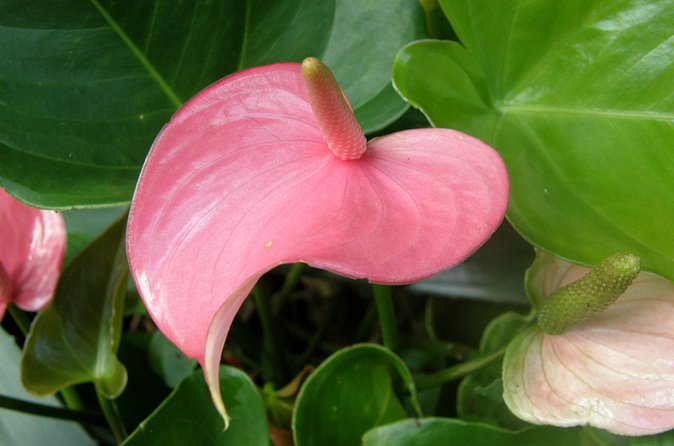
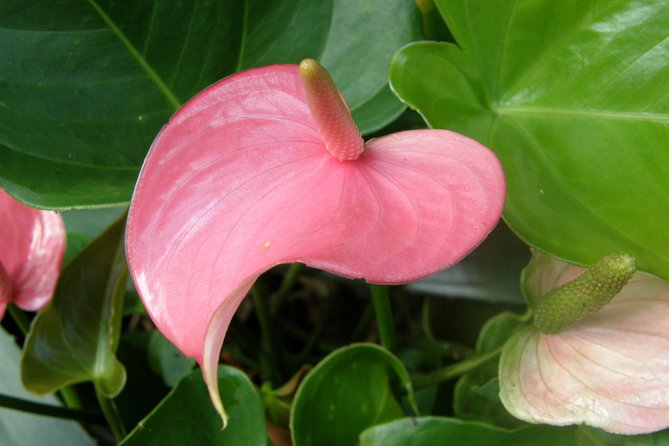
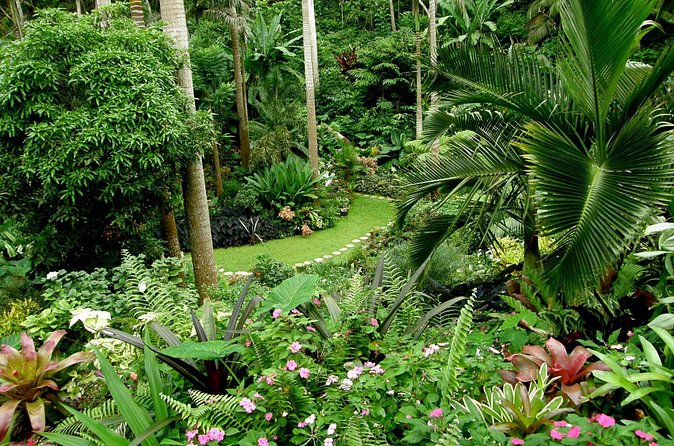
Hunte’s Garden is the emotional high point for many visitors, and I can see why. The garden occupies a former sinkhole, with paths leading through a series of smaller planted areas. You move between palms, trees, orchids, flowers, and thick foliage rather than following a formal grid.
The effect is more intimate and surprising than a large public botanic garden. A path may turn past a bright flower, an old tree, or a quiet seating area. Birds and insects add movement, while the enclosed setting keeps the visit peaceful.
You receive about one hour here, with admission included. That sounds generous, but take your camera and watch the clock. The paths offer so many photo stops that you may find yourself hurrying back to the vehicle at departure time.
One special feature is the chance to meet Anthony Hunte, the horticulturist who created the garden. Several accounts describe him welcoming people and sometimes offering rum on his verandah. This is not a guaranteed private meeting, so think of it as a fortunate possibility rather than a promised part of the program.
There are a few practical cautions. The garden has changes in level and uneven paths, so it can be difficult if your mobility is limited. Rain can also arrive quickly. Umbrellas have been provided during wet visits, but sensible shoes and light clothing are still useful.
One person found the garden less satisfying because of mosquitoes, unmarked paths, and a somewhat informal layout. That is fair criticism for anyone expecting a polished, signposted botanical institution. Hunte’s Garden works best if you enjoy discovering plants at your own pace and do not need every specimen labeled.
Bathsheba Beach: twenty minutes on the rugged east coast
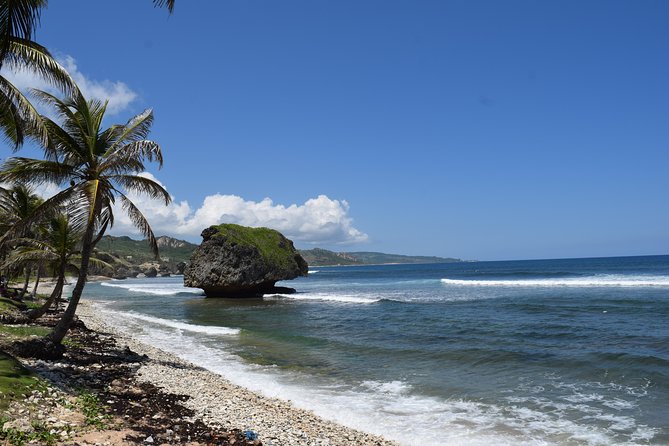
The road then takes you to Bathsheba on Barbados’s eastern shore. This is not the calm, pale-water beach scene found on the island’s west coast. Bathsheba is known for rough surf, dramatic rock formations, and a strong connection to surfing.
The tour allows about 20 minutes here. Use it for photographs, a short walk, and a look at the mushroom rocks and breaking waves. The stop is too brief for a proper beach day, and the water conditions make it a viewing stop rather than a swimming stop.
I like this change of mood. After the sheltered garden, you get open sea, wind, and a more powerful view of Barbados. The east coast also helps explain why island sightseeing matters: the two sides of Barbados can feel like different countries.
The brief stop may disappoint you if Bathsheba is a major reason for booking. You will not have time for a long coastal walk or relaxed beach sitting. Still, it works well as part of a wider island circuit.
Morgan Lewis Windmill and the sugar story
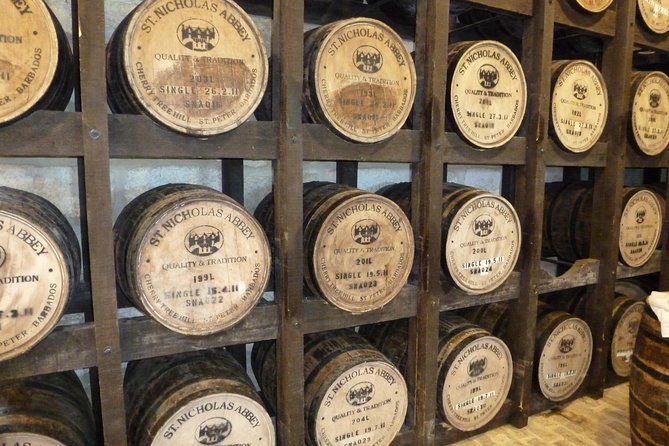
Morgan Lewis Windmill gives the tour a useful industrial and agricultural pause. Built in 1727, it is one of Barbados’s remaining sugar windmills and one of the last functioning sugar windmills in the world.
The mill is tied to the plantation economy that shaped Barbados. A demonstration may show how sugar was once processed, and the visit can include a taste of sweet sugar cane juice. The stop is not the longest part of the outing, but it adds context to St Nicholas Abbey rather than leaving the plantation house as an isolated pretty building.
The exact timing here is less clearly fixed than at the gardens and Abbey. In practice, you should expect a short stop or photo visit, depending on the day’s schedule. The guide’s commentary matters. Drivers such as Omar, Glyne, Charles, and Steven have been praised for explaining the island’s past and pointing out places along the route.
The sugar story also needs care. Barbados’s plantation wealth depended on enslaved labor, and not every part of the visit gives that subject equal attention. If you want a fuller account of slavery and emancipation, ask your guide direct questions and pay attention to the interpretation at the Abbey. The experience can be historically interesting while still presenting a more polished version of plantation life than some visitors expect.
Same island, a completely different kind of day:
- Barbados Catamaran Turtle and Shipwreck Snorkeling Cruise
★ 5.0 · 2,175 reviews - Barbados Catamaran Turtle Snorkel with Lunch and Open Bar
★ 5.0 · 1,396 reviews - Original Bajan Walking Food Tour
★ 5.0 · 1,369 reviews - Electric Bike Bajan Sightseeing Experience (Transport Included)
★ 5.0 · 1,081 reviews
Cherry Tree Hill: a fast stop with a big view
Cherry Tree Hill sits about 850 feet above sea level and forms part of the St Nicholas Abbey property. The road reaches a high point where you can look across the east coast and surrounding countryside.
You get roughly 15 minutes, so this is a quick photograph and fresh-air stop. It is especially useful after the vehicle ride because you can stretch your legs and take in the scale of the island.
Do not expect a long walk or a formal attraction here. The value is the view, and the stop depends on weather and visibility. It also helps connect the geography of the day: from the coast, the route climbs into the highlands before reaching the Abbey.
St Nicholas Abbey: house, rum, and choices that matter
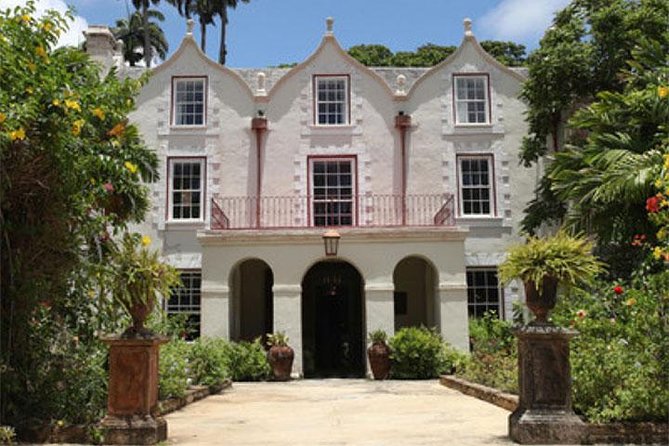
St Nicholas Abbey is a plantation house, museum, and rum distillery. Colonel Benjamin Berringer built the house in 1658, and it is one of the few genuine Jacobean houses remaining in the Western Hemisphere.
The included visit usually lasts about one hour, though some groups spend around 90 minutes. You may see period rooms, grounds, a film about the property, and the distillery. A rum tasting is part of the appeal, though the amount served can be modest and bottles sold on-site can feel expensive.
The house tour is often the strongest part for anyone interested in architecture and domestic life. The building’s age gives it weight, but do not expect access to every room. The upper floor may be closed because the original structure is not considered safe for visitors.
Pay close attention to your booking choice. The Abbey may offer a house tour, trail tour, or combination option. People in the same vehicle can select different activities, and the group may wait while others finish. You cannot change the selection after booking, so choose carefully before payment.
That wait is not necessarily wasted time. The Abbey grounds give you somewhere pleasant to sit or walk, but it does affect the day’s schedule. If you select only the house tour while others take a longer combination option, your group may remain on site until everyone returns.
The interpretation can also feel uneven. One guide at the Abbey was praised for explaining the house, grounds, and distillery clearly, while another visit became largely self-guided because not enough guides were available. The short documentary film adds useful material, including an old view of estate life, but it may feel dated and sanitized to anyone looking for a direct treatment of slavery.
I would not skip the Abbey for that reason. I would simply arrive ready to ask questions and understand that the attraction presents one version of the past. The rum distillery, old house, grounds, and film still make this a worthwhile stop, especially when paired with the windmill.
The guide can make or break the day
This is a vehicle-based tour, so your guide’s personality matters. You spend a fair amount of time on Barbados roads, and the drive becomes much more enjoyable when the driver adds island history, local stories, quizzes, and observations.
Lisa has been praised for her humor, warmth, and island knowledge. Chris was described as relaxed and informative, while Omar made the day fun and supplied useful background. Glyne, Clyde, Charles, and Steven have also been singled out for giving good commentary and making extra points of interest visible along the route.
That quality is not guaranteed with every departure. One guide, Narain, was described as quiet and difficult to understand. The lesson is practical: ask questions. If you want more detail on sugar, slavery, rum, plants, or the island’s geography, say so early rather than hoping the commentary will cover it automatically.
The vehicle is air-conditioned, which helps in Barbados’s heat. The roads can be bumpy and winding, particularly inland. If you suffer from motion sickness, take precautions before leaving and tell the guide. The operator warns that anyone becoming ill in the vehicle may be charged a cleaning fee of $75 to $150.
Small group comfort, lunch, and time management
A small group is one of the better reasons to choose this outing over a large coach tour. The stated maximum varies in the tour information, from 8 to 12 or 13 people, so confirm the current limit. In any case, it is intended to be a small-group experience rather than a full bus.
Pickup is included, but the route can involve several hotel collections. One slow morning began with an early pickup and then another collection a few kilometers away before the group headed out. This is normal for shared transport, but it explains why a tour advertised at five hours may finish much later.
Lunch is included, though expectations should be modest. Some people enjoyed the meal, while another found it underwhelming and not much like a full lunch. I would value it as a convenient break, not as a reason to book the tour.
The tour is suitable for people with a moderate level of fitness. Hunte’s Garden has slopes and changing levels, and the day involves getting in and out of the vehicle several times. Children must be with an adult.
Who will get the most from this Barbados outing?
I would recommend it to you if you want to see several major sights without renting a car. It suits first-time visitors, cruise passengers with enough time, garden lovers, people interested in old houses and rum, and anyone who wants a view of Barbados beyond the resort strip.
It is also a good choice if you prefer a guide and air-conditioned transport to navigating unfamiliar roads. The combination of garden, coast, windmill, hilltop view, and plantation house gives you a broad sense of the island in one outing.
I would hesitate if you need strict time control, dislike shared pickups, have significant mobility limits, or want a long stop at Bathsheba. I would also think twice if your main interest is a detailed and unfiltered account of slavery. The tour touches the plantation past, but St Nicholas Abbey may not explore every part of that story in the depth you want.
Is the $155 price fair?
For $155, you are paying for convenience as much as admission. Hotel transport, an air-conditioned vehicle, lunch, drinks, and two major entry fees make the price reasonable for a visitor without a rental car.
The value improves if your guide is one of the strong storytellers and the tour keeps moving on schedule. It weakens if pickup delays stretch the day, lunch disappoints, or you spend a long time waiting for other Abbey choices.
I would compare the price with the cost of separate taxis, admissions, and meals before rejecting it as expensive. You are buying a full island circuit, not just entry to Hunte’s Garden.
Should you book Hunte’s Garden and St Nicholas Abbey?
Book it if you want a broad, scenic introduction to Barbados with two memorable anchors: Hunte’s Garden and St Nicholas Abbey. The garden is the strongest reason to go, while Bathsheba, Morgan Lewis, Cherry Tree Hill, and the Abbey build a useful picture around it.
Before booking, confirm your pickup point, Abbey option, current group size, operating day, and the amount of time you can spare. Keep your afternoon open, wear comfortable shoes, prepare for rain and winding roads, and ask your guide questions.
If you can accept flexible timing and a somewhat polished treatment of plantation history, this is a good-value way to see the island’s interior and east coast. If you need a short, clockwork excursion, choose something more focused.
FAQ
How long does the tour last?
The tour is advertised at approximately five hours, but some departures can run much longer because of shared hotel pickups, road conditions, and different activity choices at St Nicholas Abbey.
What is included in the price?
Hotel pickup and drop-off, an air-conditioned vehicle, drinks, lunch, admission to Hunte’s Garden, and admission to St Nicholas Abbey are included.
Where does hotel pickup operate?
Pickup is mainly available from coastal areas along Barbados’s south and west coasts. You must provide your hotel or accommodation when booking.
What days does the tour operate?
The tour operates on Monday, Wednesday, and Friday.
How many people are in the group?
The tour is described as a small-group experience. The stated maximum varies between 8, 12, and 13 people, so confirm the current limit when booking.
Can I choose a different St Nicholas Abbey activity during the tour?
No. You must select the Abbey option when booking, and the selection cannot be changed afterward. Options may include the house tour, trail tour, or a combination tour.
Is lunch included?
Yes, lunch is included. The meal is intended as a convenient part of the day, though the amount and quality may not meet everyone’s expectations.
What happens if the tour is canceled because of weather or too few bookings?
You will be offered a different date or experience, or you can receive a full refund. For your own cancellation, a full refund is available if you cancel at least 24 hours before the start time.
Just added around Barbados
- Barbados Small-Group Garden & Wildlife Half-Day Tour★ 5.0 · 74 reviews
- Treasures of Barbados Cave and Plantation Sightseeing Tour★ 4.5 · 33 reviews
- Barbados Island Highlights Half-Day Tour★ 4.5 · 121 reviews
- Natural Wonders of Barbados Small-Group with Harrison’s Cave★ 4.5 · 103 reviews
- Private Half-Day Barbados Excursion★ 5.0 · 157 reviews
- Taste of Barbados Full-Day Sightseeing tour★ 4.5 · 70 reviews
- Barbados Small-Group Monkey Feeding Experience★ 5.0 · 211 reviews
- Barbados Harrison’s Cave Tram Tour and Boat Cruise Snorkel Adventure★ 4.5 · 85 reviews
Plantation & Great House Tours, compared.
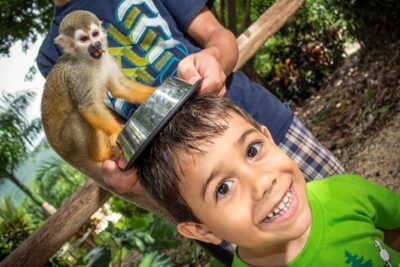
Monkeyland and Plantation Safari Tour from Punta Cana
Read our review →
Monkey Land Half-Day Safari and Plantation
Read our review →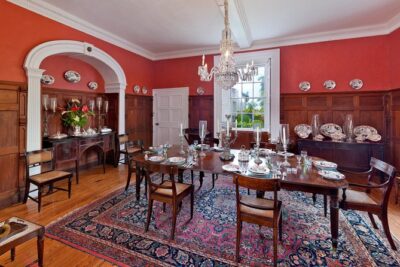
St. Nicholas Abbey Heritage Great House and Rum Distillery Tour
Read our review →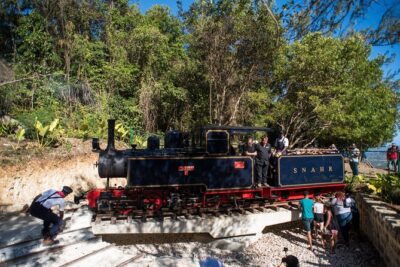
Victorian Steam Railway to Cherry Tree Hill + Great House Tour
Read our review →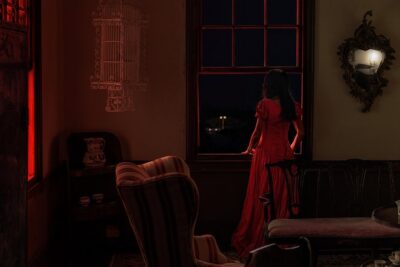
Rose Hall Great House Haunted Night Tour with Admission
Read our review →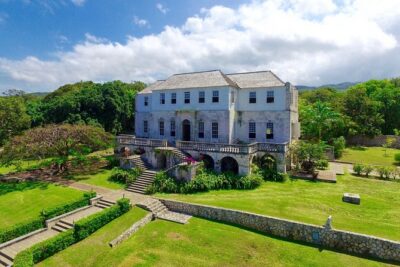
Skip the Line: Rose Hall Great House and Garden Tour Ticket
Read our review →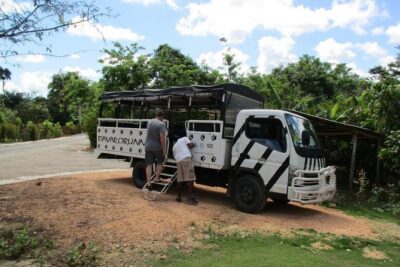
Monkeyland and Plantation Safari from La Romana
Read our review →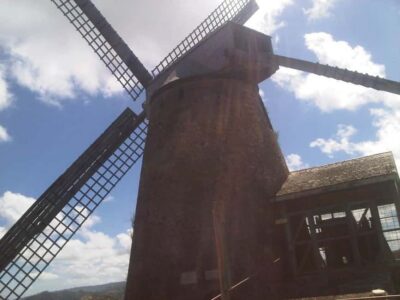
5.5-Hour Island Tour Plantation, Lunch and Drinks
Read our review →Browse the lists this tour appears in