
Reviewed · HORSEBACK RIDING TOURS
Aruba’s Northern Coast Horseback Adventure
Aruba’s wild north coast is best seen from the back of a horse. This ride takes you over rocky desert, past cacti and dunes, along open beaches, and beside the old Bushiribana gold mill ruins. The horses are calm and well trained, so even a first-time rider can focus on the scenery instead of wrestling with the reins.
I like the small group size, which gives guides more time to help each rider, and I like that guides such as Jesus and Candy take photos at scenic stops. The main catch is that the ride can be more active than a slow, nose-to-tail trail ride, with trotting and some cantering. Also check the weight rule carefully: the information gives both 220 and 225 pounds, so I would treat 220 pounds as the firm limit.
Key points at a glance
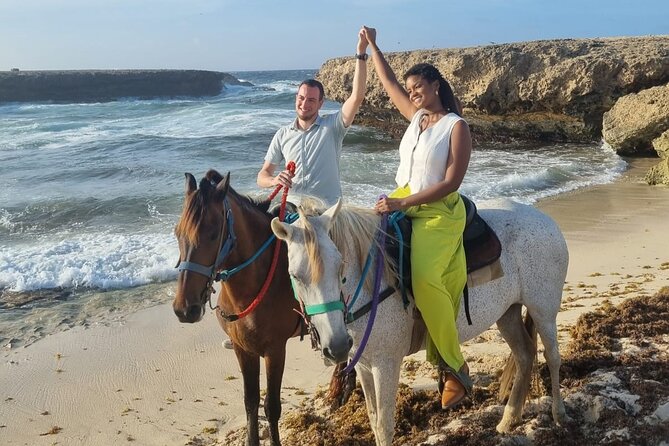
- Ride the northern coast from Matividiri: The ranch sits right by Aruba’s rough, open north shore, so the scenery begins almost as soon as you leave the stables.
- Expect more than a walking tour: The ride may include walking, trotting, and cantering, depending on the group and the guides’ judgment.
- Wariruri Bay is the photo stop: White sand, dunes, coastal rock, and the baby natural bridge create the most memorable setting for pictures.
- Bushiribana adds island history: You pass the abandoned gold mill ruins, a reminder that Aruba’s past was tied to mining as well as beaches.
- Good for first-time riders: Instruction is required before mounting, helmets are available, and the horses are trained for trail work.
- Plan for a warm, active outing: Wear long pants and firm shoes, bring sun protection, and arrive by 8:30 a.m. for instruction.
Riding from Matividiri into Aruba’s rough north
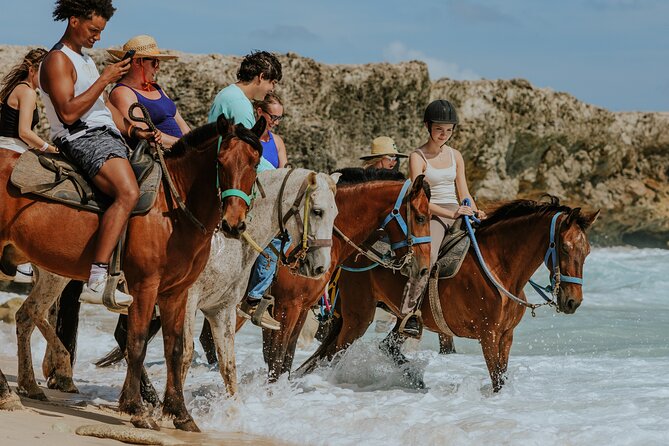
The tour begins at The Gold Mine Ranch in Matividiri, at 8:30 a.m. The official riding time is listed as 9:00 a.m., but that does not mean you should arrive at nine. The ranch requires instruction before anyone mounts, so plan around the 8:30 arrival and let the staff get you fitted and oriented.
The opening lesson covers basic riding and safety. That matters here because the route is not limited to a flat paddock or a gentle farm track. You may cross rocky ground, desert paths, sand, and beach areas. The horses are described as Paso Finos, a breed well suited to warm conditions and known for smooth gaits. Several riders found the horses responsive to guide commands, including whistles used to slow down, stop, or move along.
You do not need prior riding experience. The horses are trained to work in a group, and the guides adjust their attention to the riders who need more help. That said, a first ride can still be physical. You will need to stay balanced, follow the guide’s directions, and be comfortable with the possibility of a faster pace.
Once you leave the ranch, the setting changes quickly. The route heads into the park and along the north coast, with ocean views opening up toward the beaches. Aruba’s northern side is much rougher than the resort strip. Expect dry ground, cacti, rock, wind, and broad views instead of manicured paths.
This contrast is the real reason to book the ride. You are not simply being led around a stable. You are seeing a part of Aruba that feels exposed and untamed, with the Caribbean on one side and desert terrain on the other.
More Horseback Riding Tours in Aruba
- Horseback Ride Tour to Natural Pool in Arikok National Park
★ 5.0 · 1,147 reviews - Aruba Beach Ecological Horseback Ride
★ 4.5 · 1,083 reviews - Aruba Countryside: Horseback Adventure to Urirama Cove
★ 4.5 · 249 reviews
Bushiribana gold mill ruins add a sense of place
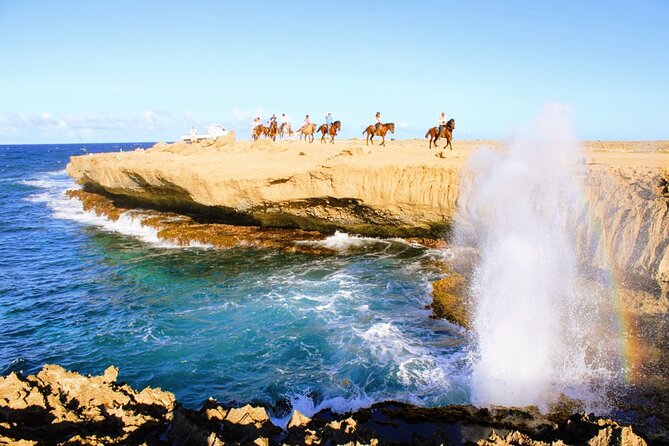
The route passes the Bushiribana gold mill ruins, one of the most useful stops for understanding Aruba beyond its beaches. The abandoned mill processed ore from nearby hills during the island’s gold rush. Its weathered stone remains give the ride a historical pause amid the dry coastal terrain.
This stop is not a long museum visit. It is part of the riding route, so the focus remains on seeing the ruins, hearing some background from the guide, and taking in the setting. If you prefer tours that connect scenery with local history, this is a valuable touch.
The guides also explain aspects of Aruba’s ecosystem and past along the way. That can make the desert feel less empty. Cacti, sand, wind, and sparse vegetation are not just a backdrop for photos. They show how life adapts to a dry island environment.
The timing helps here. A morning departure gives you cooler conditions than the middle of the day, though Aruba remains warm and sunny. The earlier start also means the trail may feel quieter. For a ride that includes open desert and exposed beach, morning is the practical choice.
Wariruri Bay is the ride’s big scenic reward
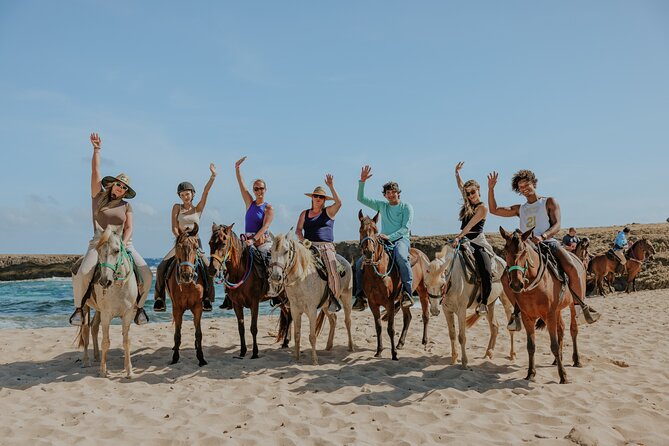
Wariruri Bay is the most distinctive stop on the route. Here you get a beach setting with white sand, dunes, coastal rock, and the baby natural bridge. The horses take you through the area, and the guides stop to help with photos.
The bay offers a change of pace from the rocky desert. You may walk along the sand, pose with your horse, and enjoy the open sea views. The route can also include faster riding on suitable sections of beach and sand. Some riders with little or no experience were allowed to canter for stretches, while riders needing more support were kept at a slower pace and caught up later.
That detail is worth considering before you book. If you want a completely gentle, slow ride, tell the guides clearly what you are comfortable with. If you are hoping for a more active outing, this ride offers a better chance of trotting or cantering than many standard resort trail rides.
The beach stop is also where practical clothing choices matter most. Sand, wind, sun, and horse movement are a poor match for loose clothing or open shoes. Wear long pants and firm shoes. Hats are not allowed, so use sunscreen and consider another way to protect yourself from the sun.
Gentle horses and attentive guides make the difference
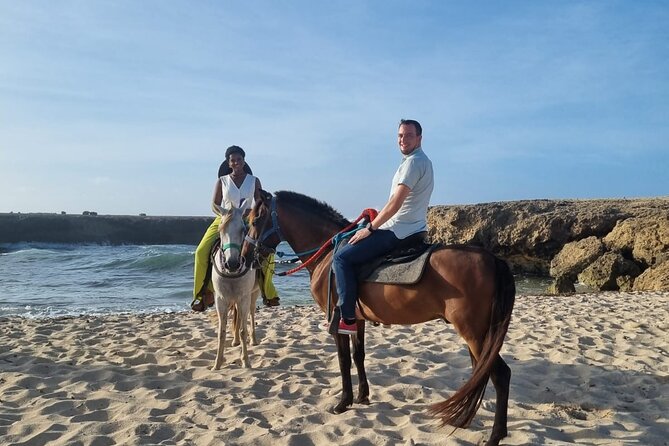
The strongest part of this experience is the horse-and-guide combination. The horses are repeatedly described as calm, healthy, and responsive. That is especially important for beginners, children, and anyone who feels unsure about riding in open terrain.
The ranch requires helmets for children and recommends them for adults. You receive safety instruction and use the ranch’s riding tack. Bottled water is included, and an air-conditioned vehicle is used for transport when pickup is arranged.
Guides have included Jesus, Candy, Jeanrick, and other staff members. Their roles go beyond leading the line. They explain the route, watch the riders, manage changes in pace, and take pictures at scenic locations. Several accounts also describe guides using whistles to communicate with the horses, which lets the animals respond as a group while riders receive help from the saddle.
I like that the ride appears suited to mixed ability levels, but you should not mistake beginner-friendly for effortless. A person who has never ridden can participate, yet the route may include uneven ground and faster sections. If you are nervous, say so during the lesson. The staff can keep you at a pace that feels manageable.
The group limit is 10 people. That is small enough for guides to notice problems and help with photos without turning the ride into a private tour. It also means the pace may depend on the least confident rider in the group. Riders seeking a fast, highly athletic outing should keep that in mind.
More horseback riding in Aruba:
- 2-Hour Horseback Riding Tour to Little Natural Bridge in Aruba
★ 5.0 · 210 reviews - Aruba North Coastline: Small-Group Horseback Riding Tour
★ 4.5 · 182 reviews - Aruba Horseback Riding Tour For Advanced Riders
★ 5.0 · 122 reviews - Sunset Horseback Ride in Aruba
★ 4.5 · 116 reviews
What the $100 price really covers
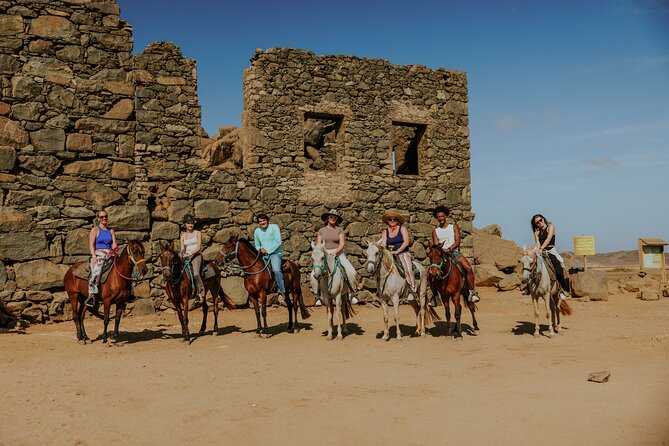
At $100 per person, this is not the cheapest way to spend an hour and a half in Aruba. It is also more than a basic horseback loop near a resort. The value comes from the combination of riding time, the coastal route, instruction, equipment, water, guide support, photo help, and possible hotel transportation from select areas.
The advertised duration is about 1 hour 30 minutes to 1 hour 40 minutes. That is enough time for a proper trail ride rather than a quick circuit. You also get several distinct settings: the ranch and Matividiri area, the northern coast, the Bushiribana ruins, and Wariruri Bay.
Hotel pickup can improve the value considerably if it is available for your location. The ranch asks you to provide hotel information so it can arrange a pickup time. Private transportation is not included, so do not assume a private car or an exclusive transfer. Pickup is offered from select areas, and you should confirm the details before relying on it.
The photo help is another small but useful benefit. Riding makes it awkward to manage your own camera, especially near a beach or ruin. Having a guide take pictures means you can keep your hands free and enjoy the ride. Ask how photos are handled on your date if this matters to you, since the supplied details confirm photo-taking but do not specify a separate photo package.
Who should book this north coast ride
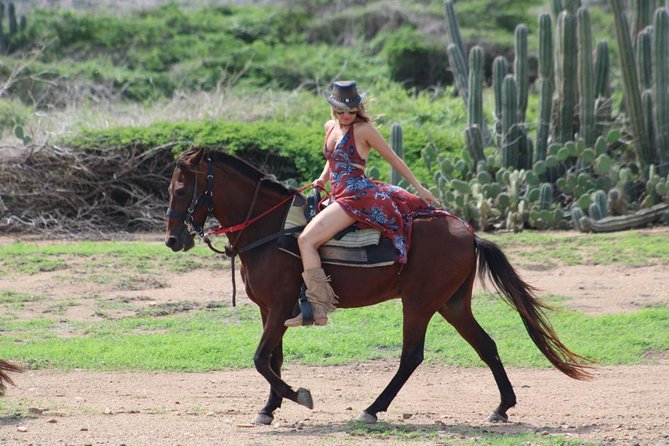
This experience fits you best if you want Aruba’s dry, rugged side rather than another water activity. It is a good choice for first-time riders, couples, families with children who meet the age and safety requirements, and experienced riders who want a scenic route with more movement than a standard walking trail.
It also suits people who care about horse welfare. The horses are described as healthy and well cared for, and the ranch’s Paso Finos are noted for calm behavior and smooth gaits. You can still ask questions at the ranch and observe how the horses are handled before you ride.
The ride may not suit you if you are uncomfortable with animals, cannot manage uneven terrain, or want a private, quiet ride at your own pace. It is also not suitable if you exceed the weight limit. The information lists both 220 and 225 pounds, so use the stricter 220-pound limit and contact the operator if you are close to it.
Do not book this expecting a sightseeing bus with occasional horse contact. You are riding for most of the experience, and you need to take part in the instructions. The reward is a closer view of the coast, but the tradeoff is sun, dust, movement, and a bit of physical effort.
Timing, clothing, and transport tips
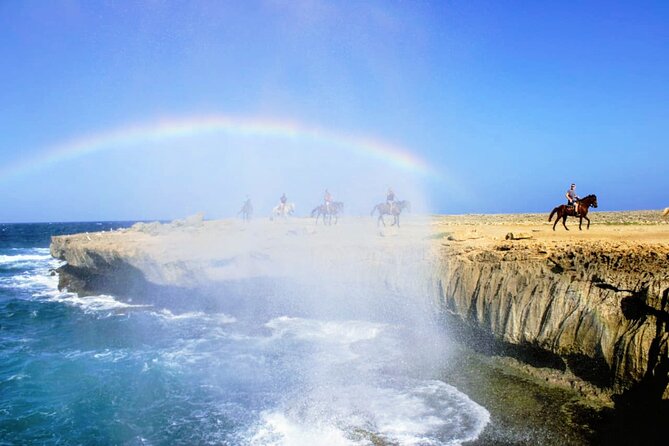
Arrive at 8:30 a.m. for the required riding and safety lesson. The stated start time is 9:00 a.m., but arriving late could cut into the instruction period or create unnecessary stress.
Wear long pants and firm shoes. No hats are allowed. Helmets are optional for adults but recommended, and mandatory for children. Bring sunscreen, though bottled water is supplied.
The ranch is near public transportation, but the activity begins and ends at The Gold Mine Ranch, Matividiri 60, Paradera. If you are staying in a hotel or apartment, send the operator your accommodation details to ask about pickup. The experience ends back at the meeting point.
The cancellation terms are simple but strict near departure. You can receive a full refund if you cancel at least 24 hours before the start time. Poor weather or failure to reach the minimum number of riders may lead to a new date, another activity, or a full refund.
Should you book the Gold Mine Ranch ride?
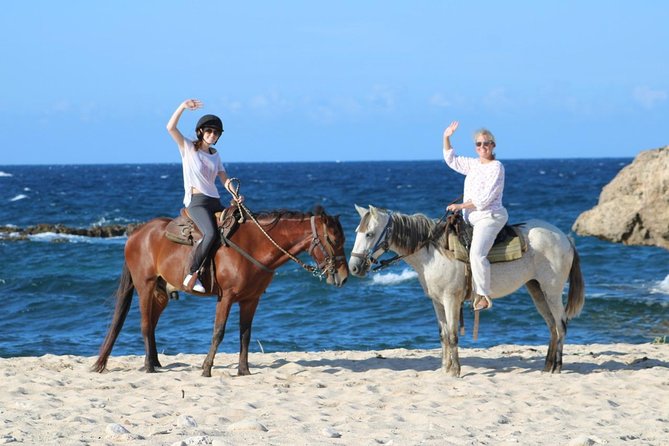
I would book this if you want an active way to see Aruba’s north coast and you are open to more than a slow walking ride. The mix of cacti, rocky ground, open ocean, gold mill ruins, dunes, and Wariruri Bay gives the outing real variety. The horses and guides are the biggest practical strengths, especially for beginners.
I would skip it if you want a private tour, cannot ride within the 220-pound limit, or prefer a completely predictable pace. For everyone else, the $100 price is reasonable for the length, setting, instruction, small group, and possible hotel transfer. Arrive early, wear proper shoes, tell the guide your experience level, and you should get one of the more memorable views of Aruba away from the resort strip.
FAQ
Where does the horseback ride begin and end?
The ride begins and ends at The Gold Mine Ranch, Matividiri 60, Paradera, Aruba.
What time should I arrive?
Arrive at 8:30 a.m. Riding instructions begin then. The stated tour start time is 9:00 a.m.
How long does the experience last?
The experience lasts approximately 1 hour 30 minutes to 1 hour 40 minutes.
Is hotel pickup available?
Hotel transfers are offered from select areas. You should provide your hotel information to the operator so it can arrange the pickup time. Private transportation is not included.
Do I need horseback riding experience?
No. Riding and safety instruction is provided before anyone mounts, and the activity is suitable for most participants. Guides can give extra help to beginners.
What should I wear?
Long pants and firm shoes are strongly advised. Hats are not allowed. Helmets are optional but recommended for adults and mandatory for children.
What is the weight limit?
The information gives a limit of 220 pounds in the additional details and 225 pounds elsewhere. To be safe, do not book if you exceed 220 pounds.
Just added around Aruba
- UTV and Jeep Island Adventure Mix Up★ 5.0 · 73 reviews
- Private Tour: Essential Tour of Aruba★ 5.0 · 68 reviews
- UTV Island Tour around Aruba★ 5.0 · 175 reviews
- The Whole Story Tour + A Ride★ 5.0 · 141 reviews
- Arubabound Transfers★ 5.0 · 31 reviews
- Made in Aruba Sightseeing Tour★ 5.0 · 252 reviews
- Aruba Private Luxury Boat Tours – Sail, Snorkel, Fishing and More★ 4.5 · 81 reviews
- Private nature tour: Aruba’s highest point & pristine coral reef★ 5.0 · 107 reviews
Horseback Riding Tours, compared.
Punta Cana Zipline Adventure with Buggies and Horseback Riding
Read our review →
Luquillo Beach Horse Ride from Carabalí Rainforest Adventure Park
Read our review →
5 tours in 1 (Eco Farm/Horseback/City Tour/Buggy/Zipline)
Read our review →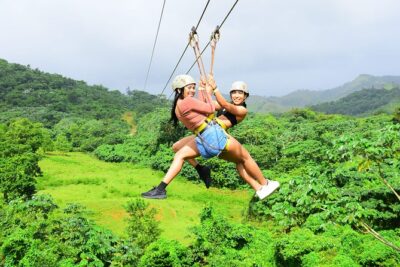
7 Tours Punta Cana: Zipline, Chairlift, ATV, Ride Horses, & More!
Read our review →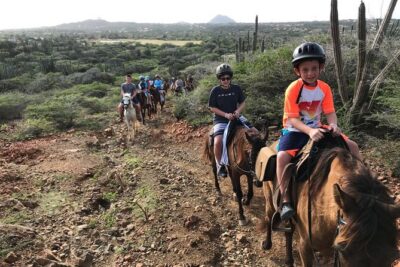
Horseback Ride Tour to Natural Pool in Arikok National Park
Read our review →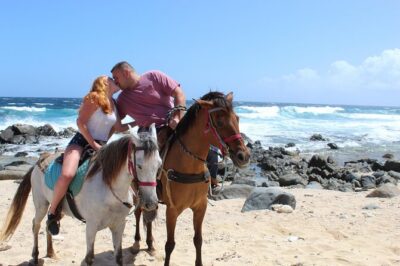
Aruba Beach Ecological Horseback Ride
Read our review →
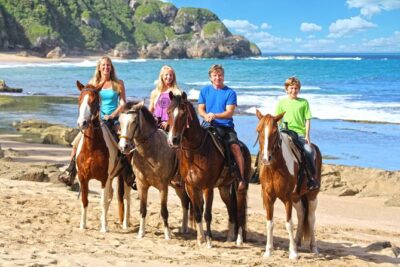
Horseback Riding through Secluded Beaches and Tropical Forests
Read our review →Browse the lists this tour appears in