
Reviewed · ISLAND SIGHTSEEING TOURS
Aruba Create Your Own Island Tour
The best thing about this Aruba tour is simple: you choose the stops. In four hours, your private guide can focus on beaches, island history, local culture, snorkeling, or a little of everything. Guides such as Jackie, John, Diego, Dave, and Raybert have all been praised for adapting the route to different families and interests.
I like the freedom to skip places that do not interest you, and I like that a private van makes it easier to include a beach stop or a quick look at San Nicolas without waiting for a large group. The main catch is time. Aruba offers more sights than four hours can reasonably hold, so you need to set priorities before you start.
Key points to know before booking
- Four hours, privately arranged: The $420 price covers a group of up to four people, not each person separately.
- You set the priorities: Choose beaches, viewpoints, historic sites, snorkeling, shopping, or a broad island overview.
- Strong guide flexibility: Jackie, John, Diego, Dave, Merylynne, Frankie, Michael, and Raybert are praised for friendly service and custom routes.
- Good for mixed groups: Guides have adjusted tours for children, older adults, wheelchair users, and a traveler who could not manage sand.
- Many possible stops: California Lighthouse, Baby Beach, San Nicolas, Casibari, Ayo, the Aloe Factory, Oranjestad, and more are available options.
- Plan tightly: The island is easy to see by vehicle, but stopping at every major sight will leave little time for beaches or snorkeling.
Why a private four-hour route works well in Aruba
Aruba is compact, but its attractions are spread across the island. A private vehicle saves you from piecing together taxis, beach time, and sightseeing on your own. It also gives you a guide who can explain what you are seeing and adjust the pace as the day develops.
The private setup matters most when your group has different needs. One person may want historic chapels, another may want time at Baby Beach, and someone else may prefer murals in San Nicolas. With a shared tour, those wishes can be hard to combine. Here, you can tell your guide what matters most and cut anything that feels less important.
The tour costs $420 for up to four people. That is a serious price for a half-day outing, but it can be reasonable when split among four people, especially if you value privacy and direct pickup. It is less attractive if you simply want a quick ride past the main sights or if your group prefers a fixed, low-cost bus excursion.
The four-hour limit is the central tradeoff. A route including the California Lighthouse, Casibari Rock Formations, the Natural Bridge area, the Aloe Factory, San Nicolas, and a beach can become rushed. I would select three major goals, then add one or two short photo stops.
More Island Sightseeing Tours in Aruba
- Half-Day Aruba Island Tour from Oranjestad
★ 4.5 · 1,362 reviews - Colorful Beach Bus Sightseeing Tour of Aruba
★ 4.5 · 695 reviews - Best of Aruba by Bus
★ 4.5 · 628 reviews
From Eagle Beach to the California Lighthouse
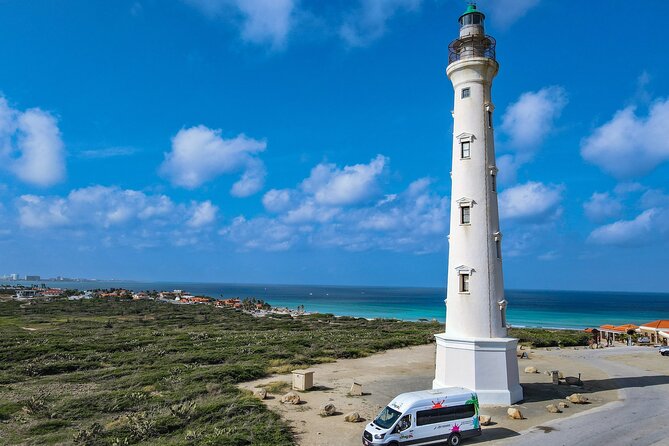
A common opening route passes Eagle Beach, Palm Beach, Malmok, and Arashi Beach before reaching the California Lighthouse. This gives you a fast look at Aruba’s famous western and northern shoreline.
Eagle Beach is known for its broad white sand and open views. Palm Beach has a more resort-centered feel, while Malmok and Arashi are associated with smaller coves and access to the sea. Your guide can help you decide whether a place deserves a quick photo, a short walk, or a longer stop.
The California Lighthouse is one of the island’s best-known viewpoints. It is a useful first stop if you want a sense of Aruba’s northern edge and a wide view over the coast. If beach time matters more than scenery from above, tell your guide early. The private format lets you keep this stop brief instead of following a fixed sightseeing schedule.
Aloe, chapels, and Aruba’s older stories
The Aruba Aloe Factory and Museum offers a change of pace from beaches and viewpoints. The visit explains the island’s 160-year aloe-growing tradition and shows how aloe products are made. It is a practical stop for anyone interested in local industry rather than only scenic sites.
Timing matters here. If the factory is close to closing, you may see less than expected. Put it earlier in the route if the museum and production process are important to you. Otherwise, you may only have time for a quick look.
The Alto Vista Chapel is a small Catholic chapel built in the 17th century. It is also known as the Pilgrims Church. The building is modest, but its story gives your guide a chance to explain a less commercial side of Aruba. This is a short historical stop, not a major attraction that requires a long visit.
The itinerary can also include an ancient ruin site with broad views from above. The exact location is not specified in the tour details, so ask your guide which ruin is planned and how much walking is involved. That small question can help you avoid spending time on a stop that does not fit your group.
Casibari and Ayo: Aruba’s unusual stone country
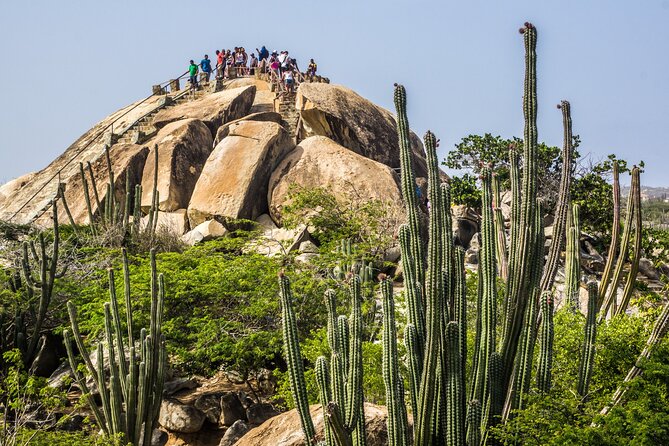
The Casibari Rock Formations offer one of the most memorable changes in scenery. You can climb among the large rocks and look across a broad section of the island. The climb is part of the appeal, but it may not suit everyone in your party.
Wear stable footwear if you plan to climb. If someone in your group has limited mobility, ask your guide to adjust the stop. The vehicle can still take you to the site, but reaching the higher viewpoints involves uneven ground and steps.
Ayo Rock Formations provide another look at Aruba’s dry interior. The rocks are often linked with Bedrock City because of their association with The Flintstones. That playful reference makes the stop especially appealing to families, while the formations themselves offer good photo opportunities for any age.
You do not need to spend a long time at both Casibari and Ayo unless rock formations are a top priority. On a four-hour route, choosing one may leave more time for a beach or cultural stop.
Same island, a completely different kind of day:
- Ultimate Island Jeep Safari with Natural Pool, Baby Beach & Lunch
★ 5.0 · 8,653 reviews - Aruba UTV, ATV Adventure to Secret Beach and Cave Pool
★ 5.0 · 7,730 reviews - Aruba Natural Pool and Indian Cave Rugged Jeep Safari
★ 5.0 · 7,713 reviews - ThrillSeekers: Aruba UTV Tour & Cliff Jump at Natural Pool
★ 5.0 · 5,733 reviews
Gold ruins and the island’s mining past
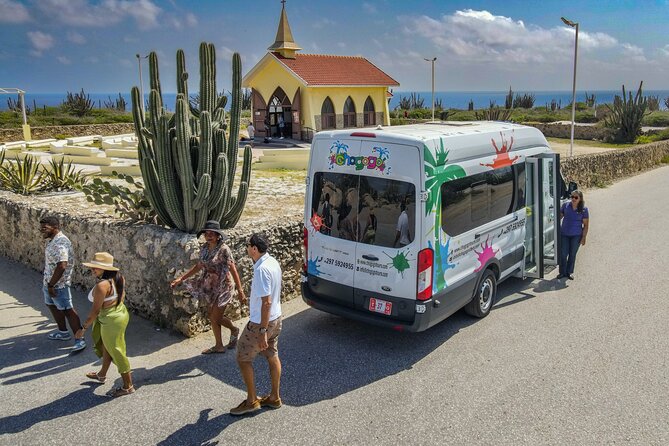
Aruba’s former gold sites tell a story many first-time visitors miss. Gold was discovered on the island in 1824, and the industry continued until about 1916. The Bushiribana Gold Mill ruins are a reminder that Aruba’s economy once depended on more than tourism and beaches.
The remains are visually striking, especially when paired with the rough northern coast. Your guide can place the ruins in the context of Aruba’s short-lived gold rush. You may also see the old gold smelter at Balashi near Frenchman’s Pass, depending on the route you choose.
These sites work well for visitors who want more than a photo stop. They also show why a private guide can be useful. Without local explanation, old stone walls can look like random ruins. With context, they become part of the island’s working past.
Still, do not let every historic site crowd out the activities you came to Aruba to enjoy. If your group wants to swim, snorkel, and relax, choose one gold site rather than trying to visit them all.
The Natural Bridge area and northern views
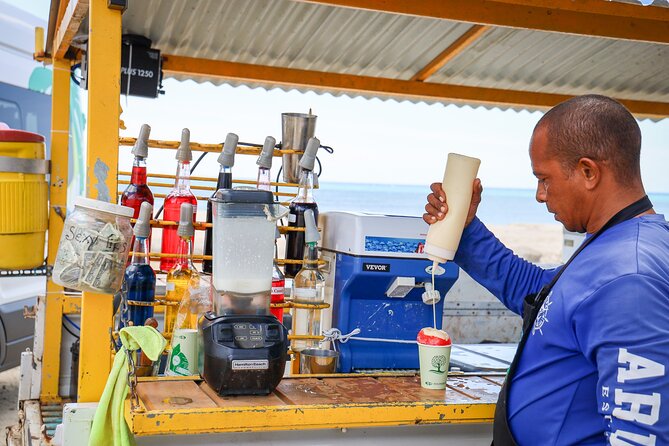
The Natural Bridge was formed from coral limestone and measured more than 30 meters long and about seven meters above sea level. It was once one of Aruba’s major attractions. The site remains part of the island’s sightseeing circuit, though you should confirm the current viewing conditions with your guide before planning a long stop around the bridge itself.
This is a good place for coastal scenery and a short break. It pairs naturally with the Bushiribana ruins and Ayo or Casibari, but that combination can use much of your four-hour window.
Another possible stop involves climbing around 700 steps to a main panoramic viewpoint near the center of the island. From the top, you can see across much of Aruba. That climb is a major commitment within a short tour, so treat it as a primary activity, not a casual add-on.
Ask about the number of steps and the expected time before agreeing to this stop. If you have older relatives, young children, or anyone who prefers minimal walking, the California Lighthouse or a vehicle-accessible viewpoint may be a better choice.
San Nicolas brings a different side of Aruba
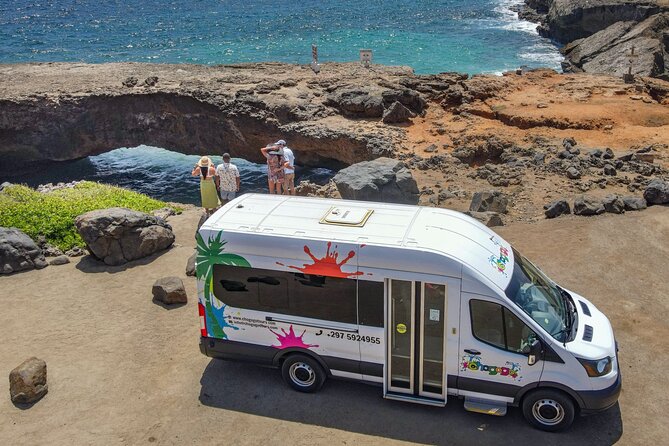
San Nicolas, Aruba’s second-largest city, gives you a look at local culture and heritage away from the main resort area. Its mural art is a strong reason to visit. One family group made the murals a central part of its day and also enjoyed seeing how different the southern side of the island felt from the resort districts.
San Nicolas is a smart choice if you want to see more than polished hotel zones. You can combine it with Baby Beach, which lies in the same general southern part of Aruba, but doing both may limit time elsewhere.
The city also makes a useful choice for a short cruise visit. Pickup and return to the cruise port have been described as easy, and a customized route lets you focus on the parts of Aruba that appeal to you most before returning to the ship.
Mangel Halto and Baby Beach
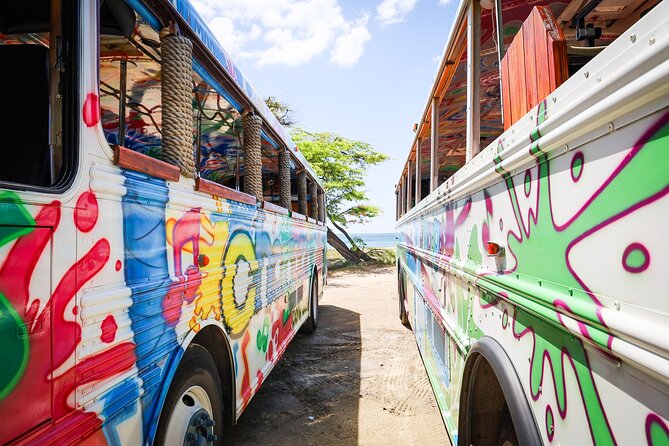
Mangel Halto, at the Spanish Lagoon, is described as one of Aruba’s quieter snorkeling areas. If your priority is getting into the water rather than collecting sightseeing stops, ask for enough time here to make the stop worthwhile. A quick photograph beside the water is not the same as a proper snorkeling break.
Baby Beach has a broad half-moon shore and calm, shallow water. You can walk a long way from shore while still touching the bottom, which makes it a strong choice for families with children or swimmers who prefer gentle water.
Beach stops are where planning matters most. You cannot realistically visit several viewpoints, rock formations, ruins, San Nicolas, Mangel Halto, and Baby Beach at a relaxed pace in four hours. Tell your guide whether you want to swim, snorkel, or simply see the coast. That distinction will shape the route.
Hot weather is another practical concern. One past outing had an air-conditioning problem in the van, which made the ride uncomfortable. The company said the issue was fixed, but I would still confirm the vehicle and bring water. Air conditioning and water have been especially welcome during hot, humid months.
Oranjestad and the Dutch-Caribbean mix
Oranjestad is Aruba’s capital and a good choice for a short urban stop. You can see small shops, vendors, Dutch-influenced architecture, and traces of the island’s colonial past. It gives the tour a different rhythm after beaches and open coastal sites.
A private vehicle makes it easier to request a quick pass through town or a short shopping stop. If you want time to browse, be clear about that before the route begins. Shopping can quietly consume the minutes you expected to use at a beach or historic site.
Some people may find Aruba more commercial than expected, especially around the resort districts and Oranjestad. The private format helps you balance that side of the island with San Nicolas, local stories, rock sites, and older buildings.
Guides, vehicles, and special needs
The most consistent strength of this experience is the guide service. Jackie has been praised for keeping families entertained and adjusting the route to children and older relatives. John has been singled out for safe driving, local facts, and adapting a tour for a child with autism who could not manage sand. Diego helped a 91-year-old visitor using an electric wheelchair and drove a clean accessible van.
Other named guides include Merylynne, Dave, Raybert, Frankie, Michael, and David. Their styles may differ, but the useful pattern is clear: tell the guide what your group needs instead of assuming the standard route will fit.
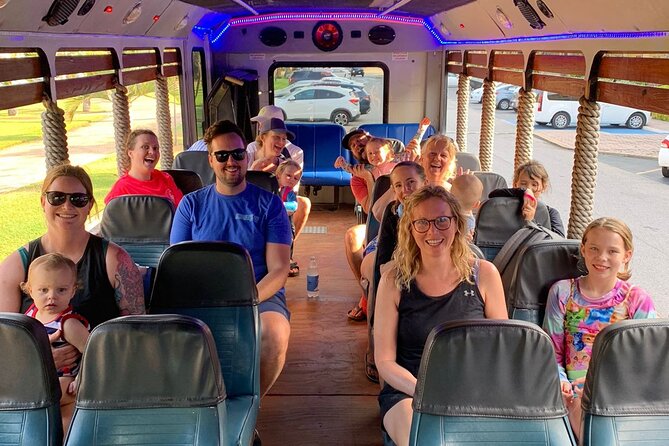
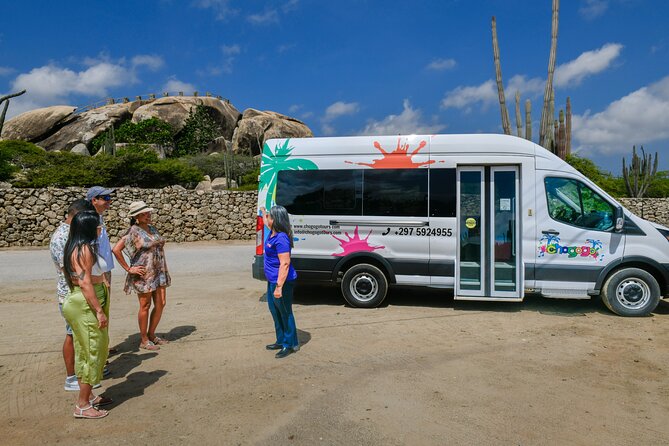
Chogogo Tours operates several vehicle types, including comfortable air-conditioned vans, open-air buses, and wheelchair-accessible vehicles. Service animals are allowed, and most people can participate. If accessible transport is essential, confirm the vehicle type when booking rather than leaving it to chance.
The private format can also help when weather changes your plans. One guide adjusted a rainy outing and even allowed a grocery stop while the group waited for conditions to improve. Bad weather can still limit beach and viewpoint time, but flexibility gives you more ways to save the day.
Who should book this tour?
I would recommend it most strongly to families, cruise passengers, small groups, and anyone who dislikes being rushed through a fixed itinerary. It also suits groups with mixed mobility needs or very different interests.
It is a good match if you want to combine a few major sights with one personal priority, such as Baby Beach, snorkeling, San Nicolas murals, or the Aloe Factory. The private vehicle and guide attention make the price easier to justify when four people share it.
I would think twice if you want a long beach session, a serious snorkeling outing, or a detailed visit at every historic site. Four hours goes quickly. A larger group should also confirm pricing and vehicle arrangements, since the stated rate covers up to four people.
Should you book the Aruba Create Your Own Island Tour?
Book it if flexibility matters more than a fixed route. Set three main goals before pickup, then let your guide help fit in smaller stops. For a first visit, I might choose the California Lighthouse, one rock formation, and either Baby Beach or San Nicolas.
Skip it if you prefer a low-cost group tour or want to spend most of the day in one place. At $420 per group, the value comes from privacy, direct transport, local guidance, and control over the clock. Used that way, it can be one of the most efficient ways to get a first look at Aruba without spending the day on a large bus.
Free cancellation is available when you cancel at least 24 hours before the local start time. Cancellations within 24 hours are not refunded, while poor-weather cancellations offer a different date or a full refund.
FAQ
How long is the Aruba Create Your Own Island Tour?
The tour lasts approximately four hours.
How much does the private tour cost?
The stated price is $420 per group of up to four people.
Can I choose which places to visit?
Yes. The tour is designed around your preferred highlights, which may include beaches, viewpoints, historic sites, rock formations, snorkeling areas, San Nicolas, and Oranjestad.
Is pickup available?
Yes. Pickup is offered, and cruise-port pickup and drop-off have been described as easy to arrange.
Are wheelchair-accessible vehicles available?
Chogogo Tours operates wheelchair-accessible vehicles. Confirm the vehicle arrangement when booking if your group needs accessible transport.
Are service animals allowed?
Yes. Service animals are allowed on the experience.
What happens if the tour is canceled because of bad weather?
You will be offered another date or a full refund if poor weather causes the tour to be canceled.
Just added around Aruba
- Private Tour: Essential Tour of Aruba★ 5.0 · 68 reviews
- UTV Island Tour around Aruba★ 5.0 · 175 reviews
- UTV and Jeep Island Adventure Mix Up★ 5.0 · 73 reviews
- The Whole Story Tour + A Ride★ 5.0 · 141 reviews
- Arubabound Transfers★ 5.0 · 31 reviews
- Made in Aruba Sightseeing Tour★ 5.0 · 252 reviews
- Aruba Private Luxury Boat Tours – Sail, Snorkel, Fishing and More★ 4.5 · 81 reviews
- VIP Luxury SUV Airport Transfer★ 5.0 · 95 reviews
Island Sightseeing Tours, compared.
For hotel guests: Guided ATV Tour Dutch/French St. Maarten – Highlights & Beach
Read our review →
Let me show you MY Island Tour With visit to El Yunque
Read our review →
Pirate Jeep Sightseeing Adventure!
Read our review →
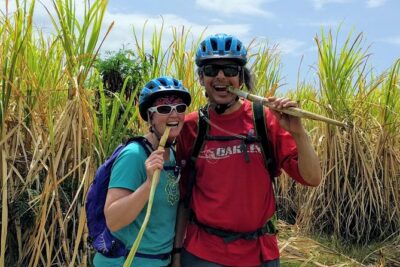
Electric Bike Bajan Sightseeing Experience (Transport Included)
Read our review →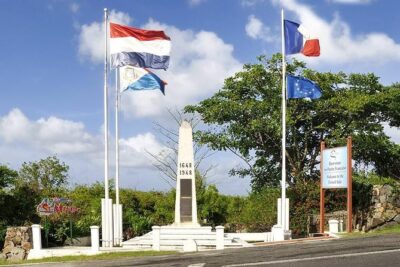
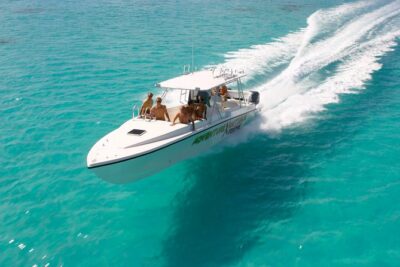
Adventure Antigua – The Xtreme Circumnavigation
Read our review →Browse the lists this tour appears in