
Reviewed · SCUBA DIVING
Private First-Time Dive on Aruba’s Reef and Wreck Site
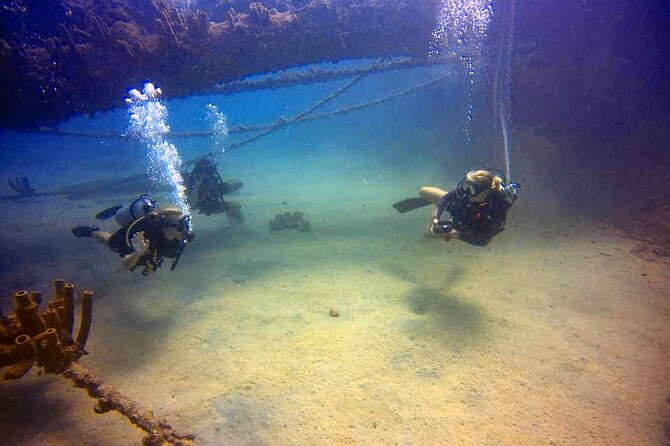
Aruba’s underwater world becomes much more approachable when you have the whole experience tailored to your group. This private first-time scuba session combines a calm land briefing, shallow-water practice, and a guided visit to a reef and shipwreck at up to 40 feet.
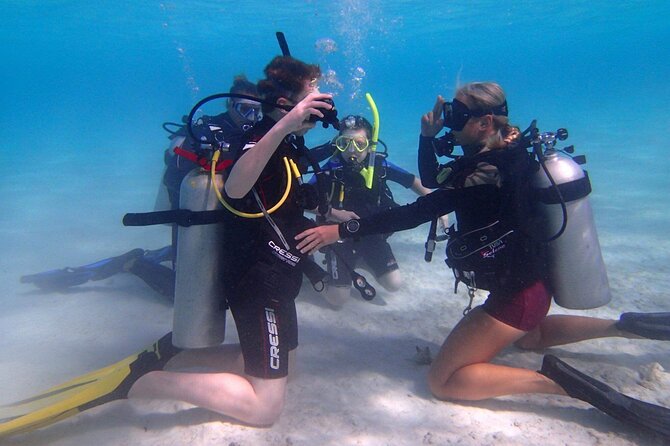
I like the patient teaching style, especially the way Alan, Ray, and Pauline adjust the pace for nervous participants. I also like the small group limit of four people, which gives the instructor room to watch each person closely and even help returning certified participants regain confidence.
The main consideration is that comfort with pressure changes matters. One participant had trouble equalizing an ear and needed to remain shallower, so you should be ready to stop or reduce the depth if your body is not cooperating.
Key Points Before You Book
- Private group of up to four: You receive personal attention instead of being folded into a large class.
- Three-part introduction: Expect a 20-minute land briefing, shallow-water practice, and a guided underwater session.
- Reef and shipwreck setting: The usual route includes coral, fish, marine life, and a wreck at a maximum of 40 feet.
- Patient instructors: Alan, Ray, and Pauline are especially good choices for first-timers who feel nervous.
- Pickup may be available: Hotel pickup and drop-off have been provided for some bookings, but confirm the details when arranging your time.
- Leave 18 hours before flying: Plan your schedule carefully, since you need at least 18 hours between this activity and a flight.
Why This Aruba Scuba Session Works for Beginners
Trying scuba for the first time can feel like a lot to manage. You are learning to breathe through a regulator, wear unfamiliar equipment, control your movement, and stay calm while surrounded by water. This experience handles those tasks in stages rather than pushing you straight into the sea.
The first step is a 20-minute safety lesson on land. You’ll discuss the plan for the session, learn how the equipment works, review basic underwater communication, and talk about marine life. That may sound simple, but it is where much of your confidence comes from.
I appreciate that the instruction is not presented as a race. If you need the regulator explained again, more time with the mask, or a slower introduction to the water, the instructor can adjust the session. The program does not follow a strict stopwatch in the same way a large group excursion often must.
The experience is designed for people who are not certified, but it can also suit someone who has not used scuba equipment for years. One participant had been away from the sport for five years and used the session as a refresher before returning to the water. That makes this more flexible than a simple first-timer package.
More Scuba Diving in Aruba
- Aruba 2-Tank Dive Excursion for Certified Divers
★ 4.5 · 230 reviews - Aruba One or Two Tank Scuba Dive
★ 4.5 · 195 reviews - Small-Group Aruba Scuba Diving for Non-Certified Divers
★ 5.0 · 194 reviews
Meeting at Mangel HatoPos Chiquito Beach Park
The listed meeting point is Mangel HatoPos Chiquito Beach Park on Spaans Lagoenweg in Savaneta. The activity finishes at the same location.
Pickup is offered, and several participants have received hotel transportation from instructors. Since the supplied details do not promise pickup for every hotel, I would confirm your exact arrangement before the day of the activity. If you meet at the beach park, arrive ready for an outdoor water activity and allow time to complete the medical questionnaire.
The meeting point matters because the day begins with preparation, not with an immediate descent into the sea. You will meet the instructor, go through the safety material, and get organized before entering shallow water.
The listed duration is about three hours. That includes the briefing, equipment practice, and main underwater session. It is a useful length for a first attempt because you get time to settle in, though one participant wished the underwater portion had lasted longer. That is a common tradeoff with an introductory program: the total appointment takes several hours, but the actual underwater portion is limited by training needs, comfort, and safety.
The 20-Minute Briefing Comes First
The land lesson is the part you should take seriously, even if you are eager to get wet. You will learn what each piece of equipment does and what to expect during the session. The instructor will also explain the planned route and discuss the marine life you may see.
This is where instructors such as Alan have earned strong praise. His approach is calm, clear, and sometimes funny, which helps take the edge off for people who are worried about breathing underwater. Pauline and Ray have also guided first-timers and mixed groups with care.
You should use this time to speak up about anything that concerns you. Tell the instructor if you are anxious, unsure about removing or clearing a mask, or worried about your ears. A private booking is most useful when you are honest about your comfort level.
You will also need to complete the required medical questionnaire provided through the booking message system and bring it to the program. Do not leave that task until the last minute. The questionnaire is part of the safety process, not a formality to rush through.
Shallow Water Practice Builds Confidence
After the briefing, you move into shallow water and practice with the equipment. This is an important feature of the session. You are not expected to remember every instruction from the beach once you are wearing the gear.
The practice period lets you become familiar with breathing through the regulator and completing basic exercises before heading farther out. The instructor checks that everyone is comfortable and able to use the equipment properly. If you need extra time, the private format allows the lesson to continue at your pace.
This is also where the experience can change depending on the group. A confident swimmer may progress quickly, while a nervous beginner may need repeated practice. The instructors are used to both types of participants, and the maximum group size of four keeps the class from becoming unwieldy.
You need basic swimming skills to take part. You do not need a scuba certification for this program, but you should be able to manage yourself in the water. If you are uncomfortable in the sea or have serious concerns about breathing underwater, talk with the operator before booking.
More shipwreck dives around Aruba:
- Antilla Shipwreck and Catalina Bay Snorkel Sail
★ 4.5 · 453 reviews - Antilla Shipwreck Seabob Tour
★ 5.0 · 136 reviews - Banana Adventure Catamaran Shipwreck Snorkel and Turtle Swim
★ 4.5 · 110 reviews - Barbados Catamaran Turtle and Shipwreck Snorkeling Cruise
★ 5.0 · 2,175 reviews
The Main Underwater Visit Reaches 40 Feet
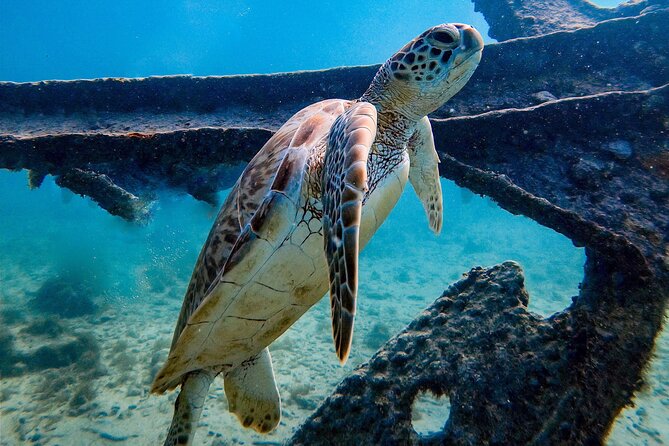
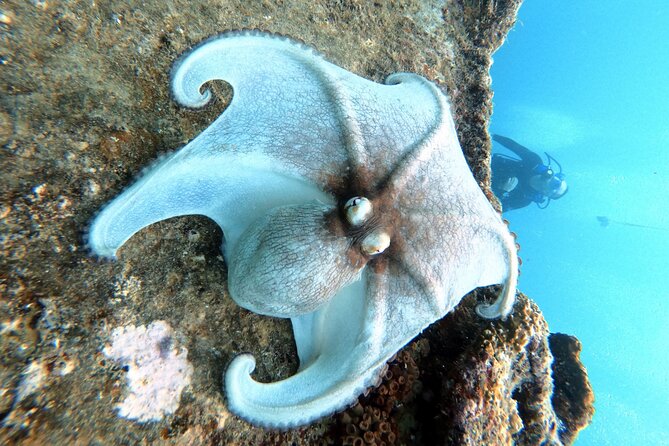
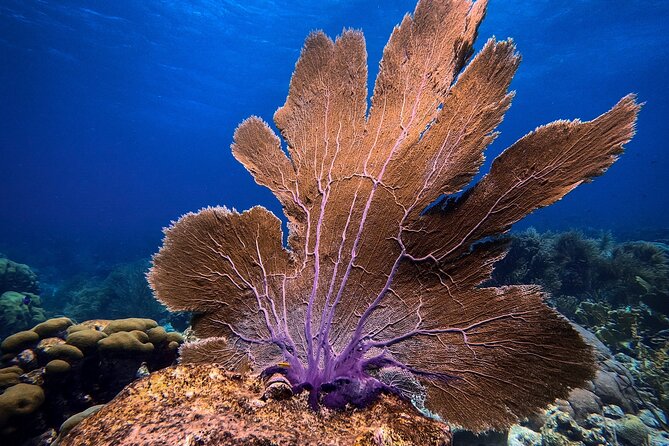
Once everyone is ready, the group heads out for the main underwater portion. The maximum depth is 40 feet, which is modest by scuba standards but plenty for a first experience. You can see coral, fish, and other marine life without committing to the deeper conditions used by more advanced certified participants.
The usual site includes a shipwreck, giving the session more interest than a plain swim over open sand. A wreck provides shape and structure underwater, and it can attract fish and other marine life. The exact sights are naturally affected by conditions, visibility, and the behavior of animals, so you should not treat the wreck as a guaranteed cinematic scene.
Several participants described the underwater setting as surreal or like another world. That feeling comes from the basic act of moving and breathing underwater, not just from the fish or wreck. If you already enjoy snorkeling, this gives you the chance to spend more time below the surface and move beyond looking down from above.
The instructor stays attentive to the group during this part. That close supervision is particularly valuable for first-timers, who may become distracted by the scenery or forget a step they practiced only minutes earlier. You are there to enjoy the reef, but the instructor’s main job is to keep you comfortable and safe.
The Guides Make the Biggest Difference
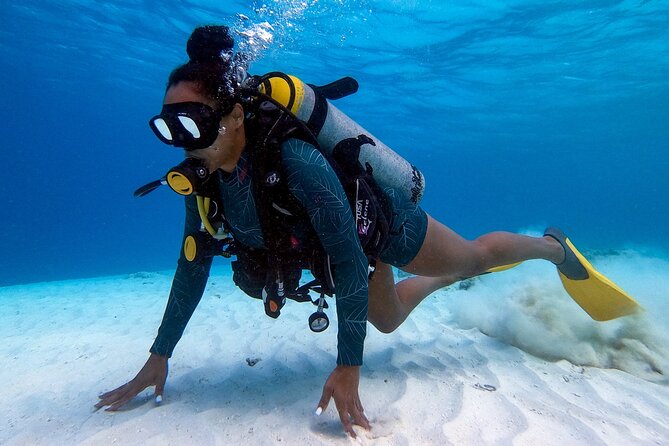
The strongest part of this experience is the teaching. Alan is repeatedly praised for patience, clear explanations, and a calm manner. He has helped nervous adults become comfortable, worked with families, and supported people who were returning to scuba after a long break.
Ray often works alongside Alan, and the two have handled groups that included both new and experienced participants. Pauline has also guided first-timers, including a mother and daughter who later hoped to return for certification. The staff’s common approach is to give you time instead of treating hesitation as a problem.
That matters more than a fancy boat or a long list of equipment. If you are tense, you will not enjoy the reef. A patient instructor can help you relax enough to notice the fish, coral, and wreck rather than focusing only on your breathing.
A private experience also means the instructor can respond to different ability levels. If one person in your party is excited and another is cautious, the pace can be adjusted more easily than in a large scheduled group. It is still important to understand that the instructor controls the final route and depth based on safety and readiness.
What the Price Includes in Practical Terms
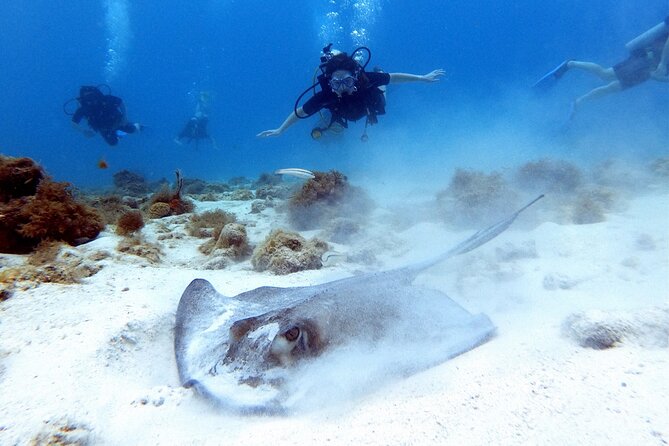
The listed price is $120 per person. That is not the cheapest way to look at underwater life in Aruba, since snorkeling costs less and requires less instruction. The value comes from the private format, equipment guidance, shallow-water practice, and close attention from an experienced instructor.
For a couple or family that wants a shared first experience, the price can make sense. You are paying for more than time in the water. You are also paying for the chance to slow down, ask questions, and avoid being treated as one person in a large group.
The value is weaker if you already have substantial recent scuba experience and only want a quick reef outing. Certified participants may prefer a conventional certified excursion with a longer route or greater depth. Still, the session can work well as a refresher if you have been out of the water for several years.
Some instructors also take photos and videos during the underwater session. These may be available for purchase, but the supplied information does not state that media is included in the $120 price. Ask about the cost before deciding, especially if you are watching your vacation budget.
Small Drawbacks You Should Know
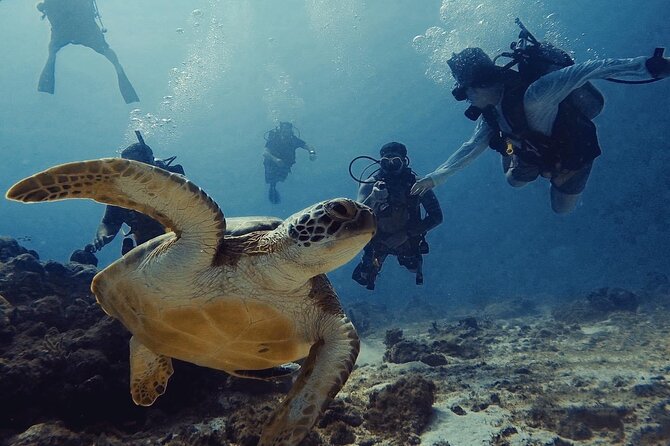
The most useful criticism concerns foot protection. The operator supplies tropical water fins intended to be worn barefoot, and boots are not provided. One participant developed blisters from the fins, which caused an unfortunate problem with later beach plans.
That does not mean you should avoid the experience, but it is worth planning around. Ask about fin fit before entering the water, and consider how much time you intend to spend barefoot afterward. The operator explains that the fins are designed for bare feet, so this is a matter of fit and personal sensitivity rather than a promise that boots are part of the package.
Ear pressure is another real consideration. One participant could not equalize properly and had to stay in shallower water. The session was still enjoyable, with coral and fish visible, but you should understand that reaching the full 40-foot maximum is not guaranteed.
Conditions also matter. The experience requires good weather, and poor weather can lead to a new date or a full refund. Marine visibility and animal sightings can vary, so approach the reef and wreck as an opportunity rather than a fixed show.
Who Should Book This Experience
This is a good match for a first-time scuba participant who wants private instruction and does not want to learn in a crowded group. It also suits couples, families, and small groups with mixed confidence levels.
I would especially consider it if you are nervous about breathing underwater. The staged format and patient instructors give you several chances to become comfortable before the main underwater visit. People who already enjoy snorkeling and want to try scuba for the first time may also find the transition appealing.
It can work for certified participants who need a refresher, provided they understand that the program is built around beginners. If you want an advanced route, a long underwater session, or a technical challenge, this is not the right product.
Plan carefully around flights. You must leave at least 18 hours between the session and flying, so do not schedule this on the final morning of a trip if your departure is later that day. Also remember that cancellations made at least 24 hours ahead receive a full refund, while cancellations or changes inside that window are not refunded. The cutoff uses local Aruba time.
Should You Book the Aruba Reef and Wreck Session?
Book it if your priority is calm, personal instruction and a first look at Aruba underwater. The private group limit, shallow-water practice, and patient guides such as Alan, Ray, and Pauline give nervous beginners a sensible way into scuba.
Think twice if you dislike wearing fins without boots, have difficulty equalizing your ears, or want a long or advanced underwater route. For everyone else, the $120 price is reasonable for a private introduction that includes reef life, a shipwreck, equipment practice, and a guide who can adjust the session to your comfort.
If you decide to go, complete the medical form early, confirm pickup, protect your feet from fin friction, and keep your flight schedule clear for at least 18 hours afterward.
FAQ
Is this experience suitable for a first-time scuba participant?
Yes. The program is designed for people who are not certified and includes a land briefing, shallow-water practice, and a guided underwater session.
How deep will the underwater session go?
The maximum depth is 40 feet. Your instructor may keep you shallower if conditions or your comfort level require it.
How many people can join the private group?
The maximum group size is four participants. Only your group takes part in the private activity.
How long does the experience last?
The activity lasts about three hours, including the briefing, shallow-water practice, and main underwater session.
Where does the activity begin?
It begins at Mangel HatoPos Chiquito Beach Park, F28H+5W9, Spaans Lagoenweg, Savaneta, Aruba.
Where does the activity finish?
It finishes back at the meeting point.
Is hotel pickup available?
Pickup is offered, and hotel pickup and drop-off have been provided for some participants. Confirm the arrangement for your specific hotel when booking.
Do I need scuba certification?
No. The program is intended for first-time participants and people who are not certified. It can also suit certified participants who need a refresher.
Do I need to know how to swim?
You must have basic swimming skills to participate.
How long should I wait before flying?
You should allow at least 18 hours between the underwater session and any flight.
What happens if the weather is poor?
If the activity is canceled because of poor weather, you will be offered another date or a full refund.
Can I cancel for a full refund?
Yes, if you cancel at least 24 hours before the start time. Cancellations or changes made less than 24 hours before the activity are not refunded or accepted.
Just added around Aruba
- Private Tour: Essential Tour of Aruba★ 5.0 · 68 reviews
- UTV Island Tour around Aruba★ 5.0 · 175 reviews
- UTV and Jeep Island Adventure Mix Up★ 5.0 · 73 reviews
- The Whole Story Tour + A Ride★ 5.0 · 141 reviews
- Arubabound Transfers★ 5.0 · 31 reviews
- Made in Aruba Sightseeing Tour★ 5.0 · 252 reviews
- Aruba Private Luxury Boat Tours – Sail, Snorkel, Fishing and More★ 4.5 · 81 reviews
- Private nature tour: Aruba’s highest point & pristine coral reef★ 5.0 · 107 reviews
Scuba Diving, compared.
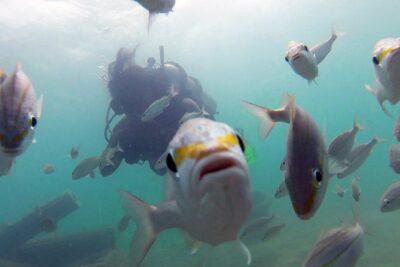
Beginner Scuba Diving with Turtles and Videos, San Juan
Read our review →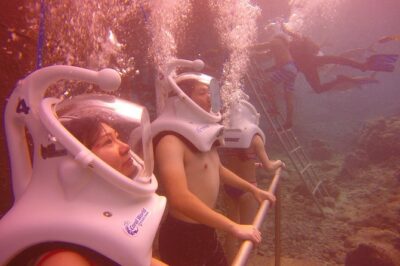
Sea Trek Helmet Dive at Coral World Ocean Park
Read our review →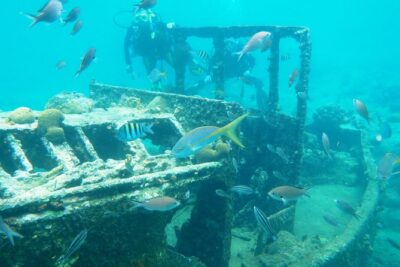
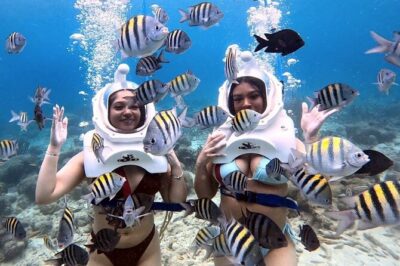
Curacao Helmet Diving-Walk the Ocean Floor, No Swimming Required
Read our review →
Two-Tank Morning Dive Trip for Certified Divers
Read our review →
Two-Tank Dive for Certified Diving in St Thomas
Read our review →
Scuba Doo Diving Experience in Punta Cana
Read our review →Browse the lists this tour appears in