
Reviewed · SCUBA DIVING
Hartley Helmet Diving in Bermuda
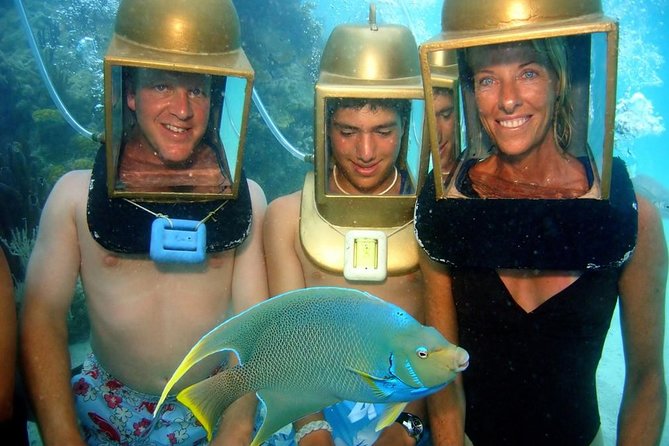
Walking on Bermuda’s sea floor with your head inside a clear-air helmet is the main event here. You descend a ladder from Hartley’s boat, hold a grab bar, and stroll or kneel in 11 to 14 feet of water while fish move around you. It feels far less demanding than snorkeling or scuba gear.
I like two things right away: you breathe normally, and the Hartley family gives the experience a personal, educational touch. I also like the close contact with Bermuda’s coral, snapper, hogfish, eels, shrimp, and other sea life. The main drawback is the schedule: your underwater time lasts 30 to 40 minutes, but the full outing runs about three and a half hours, with waiting while other groups take their turns.
Key points to know before you book
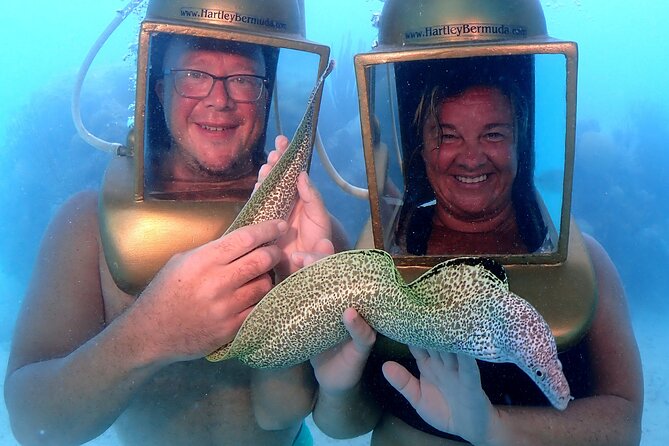
- You walk on a sandy bottom: The water is only 11 to 14 feet deep, and you hold a seven-foot grab bar while the guide leads the group.
- Greg Hartley leads the water experience: His son Ben and the rest of the crew help with fittings, safety, fish identification, and photos.
- The helmet keeps things simple: You can breathe and smile normally without a mask over your face or a tank on your back.
- The fish are unusually close: You may see snapper, hogfish, squirrel fish, angelfish, parrot fish, eels, shrimp, and trained sea life with names such as George and Herb.
- Plan for a half-day outing: The activity takes about three to four hours, though your own time on the sea floor is around 30 to 40 minutes.
- Bring only what you need: A swimsuit and towel are required. Wetsuits are supplied when the water is below 80 degrees.
The unusual appeal of a helmet walk
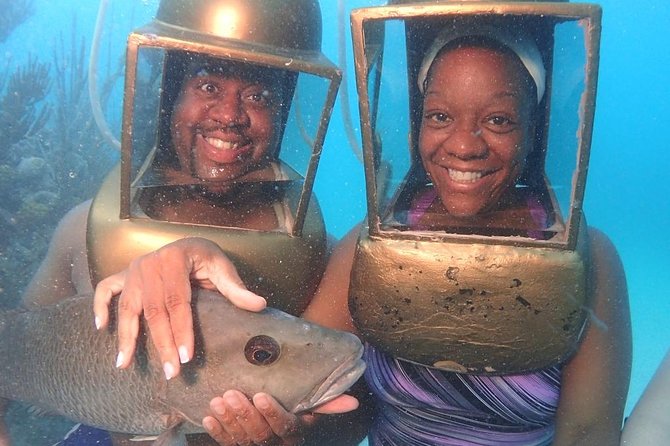
Bermuda offers plenty of ways to see the ocean, but this is not a standard snorkel trip. A large helmet rests over your shoulders and supplies air while you stand on the bottom. You do not need to float, kick, or manage a mouthpiece.
That makes the activity useful for people who cannot swim well, dislike snorkeling, or find scuba equipment intimidating. The supplied information says most people can take part, and the minimum age is five. A participant weighing 280 pounds and unable to swim reported having no trouble, but you should still answer the health questionnaire honestly and ask about any medical condition before booking.
The helmet does not turn the sea floor into a playground. You remain in a controlled area, hold the grab bar, and follow the guide. Still, you get a much closer look at coral and fish than you usually would from the surface.
More snuba diving in Bermuda:
- Sea Trek Helmet Dive at Coral World Ocean Park
★ 5.0 · 992 reviews - Curacao Helmet Diving-Walk the Ocean Floor, No Swimming Required
★ 5.0 · 761 reviews - Underwater Sea Trek in San Juan: Explore Beneath the Waves
★ 5.0 · 469 reviews
From Dockyard to the reef in a short boat ride
The meeting point is at 2 N Arm in Dockyard. This is especially convenient if you arrive by cruise ship, since the activity begins near the cruise pier and finishes at the same meeting point. Hotel pickup and drop-off are not included, so you must arrange your own way to Dockyard if you are staying elsewhere.
The boat ride out is part orientation and part lesson. The crew explains how the helmet works, how to use the ladder, and what you will see below. Greg Hartley also introduces the local marine life and gives the group a sense of what to expect before anyone enters the water.
The boat is described as fully equipped, with a bathroom, changing room, sundeck, shaded areas, and a storage space for clothing, towels, and valuables. It is also described as a glass-bottom boat. One practical point: the sea-floor walk is the heart of the outing, so do not book this mainly for a glass-bottom viewing session.
The total group can reach 21 people. That matters because the underwater portion is done in separate groups. You may spend more than an hour waiting for the other groups to take their turns. The boat has shade and seating, but this is still a long outing for anyone expecting three continuous hours in the water.
Getting fitted with the Hartley helmet
Before entering the water, the crew helps you with the special helmet and explains the descent. You walk down a ladder from the boat and settle onto the sandy bottom. The water is shallow by scuba standards, but it is still deep enough that you need to follow instructions carefully.
The helmet allows you to breathe as you normally would. You can smile, look around, and keep your face dry inside the air space. You will not carry a heavy air tank, and you do not need to learn formal breathing skills.
You cannot expect normal conversation underwater, though. The helmet makes regular talking possible in principle, but the crew communicates with wooden signs and hand signals while you are below. That system helps identify fish and coral, and it keeps the group together.
What 30 to 40 minutes on the bottom feels like
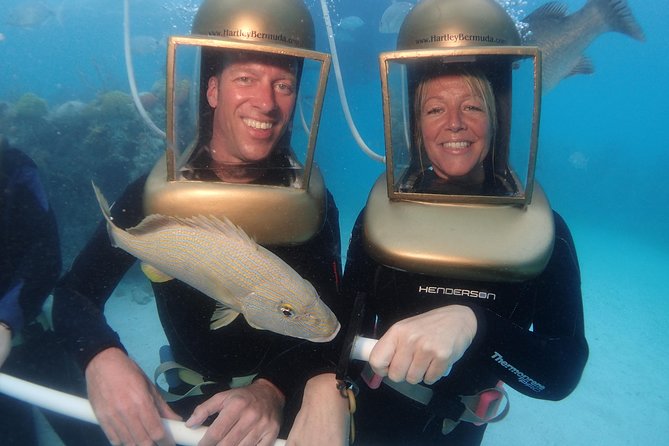
The underwater portion is more controlled than the phrase walking around might suggest. You hold a seven-foot PVC grab bar, and the guide moves the group through the site. You may walk, kneel, or pause on the sand while looking at the reef.
The bottom is described as soft and sandy. That is easier on your feet than a rocky shoreline, but the activity still requires you to climb a ladder, stand or kneel underwater, and keep your balance. If you have mobility concerns, contact the operator before booking rather than assuming the shallow water makes it effortless.
The guide points out coral types and sea life at close range. You may see snapper, hogfish, squirrel fish, angelfish, parrot fish, eels, shrimp, and other species. The setting is not a large public aquarium. It is a natural marine site where fish have become comfortable around the Hartley operation.
Several fish have names. George is a blue-striped grunt, while Herb is a red-speckled hind. Other accounts identify a snapper named Donald. You may also see a trained eel and fish that will come close enough to be held or gently touched under the guide’s direction.
That close contact is a major part of the appeal, but it is also the point where your personal values matter. One participant felt uncomfortable with the treatment of animals. I would ask the crew what contact is expected and follow their instructions carefully. Touching should never become chasing, grabbing, or handling wildlife without guidance.
More scuba diving off Bermuda:
- Beginner Scuba Diving with Turtles and Videos, San Juan
★ 5.0 · 1,743 reviews - Discover Diving in Curacao
★ 5.0 · 886 reviews - Two-Tank Morning Dive Trip for Certified Divers
★ 5.0 · 602 reviews - Two-Tank Dive for Certified Diving in St Thomas
★ 5.0 · 456 reviews
The guide makes the difference
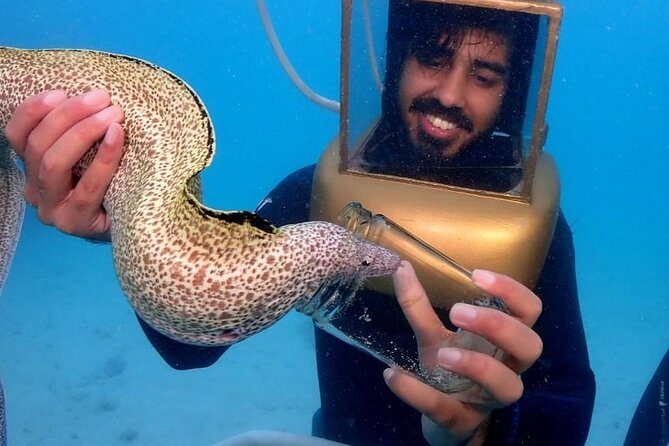
Greg Hartley is the central personality of the experience. He leads the group below, identifies the marine life, and keeps people calm around the helmet and ladder. His family has operated the business since 1947, and that long history shows in the family-run structure of the outing.
Ben Hartley helps with the operation, along with another crew member. The family approach can make the experience feel more personal than a large resort activity. You are not simply handed equipment and sent into the water. The crew teaches you what to do and explains what you are seeing.
Greg’s style is energetic and opinionated. Most of the supplied comments praise his humor, confidence, and ability to explain the reef. One account found his political comments during the surface portion distracting and preferred more instruction. That is worth knowing if you want a tightly scripted nature lesson. The underwater guidance itself receives much stronger praise than the talk between water activities.
The guide also uses hand signals and wooden signs below. That is a small but useful detail. You will not hear every explanation clearly through the helmets, so the visual system helps you connect fish names and coral features with what is in front of you.
Wetsuits, snacks, and what to bring
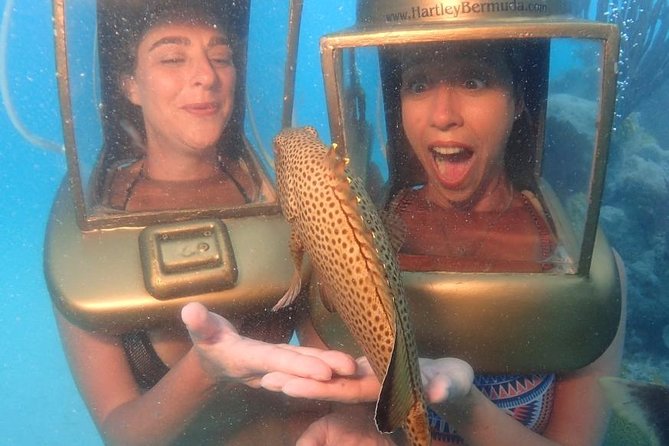
Bring a swimsuit, towel, and a willingness to try something unusual. All main equipment is supplied. Wetsuits are provided when the water is below 80 degrees, and hot chocolate is available in those cooler conditions.
The boat also provides Bermuda water and Nature Valley granola bars. You have access to a changing room, bathroom, shade, and a sundeck. A storage area is available for clothes, towels, and valuables, though I would still avoid bringing anything you do not need.
Underwater cameras and GoPros are allowed. If you bring one, secure it well and listen to the crew about using it around the helmet and sea life. The operator also offers underwater photographs and a short video for an extra charge. The supplied details quote about $20 per person plus $10 for a thumb drive, while another description gives an approximate $25 per person figure, so confirm the current price before you go.
The paid photo service may be worthwhile here. The photographer can capture your group with the fish, and the crew’s close attention to the photo process may also lead to more personal interaction with the marine life. If you skip the package, you may spend less, but you will need to accept that your own camera may not capture the same moments.
Is $150 a fair price?
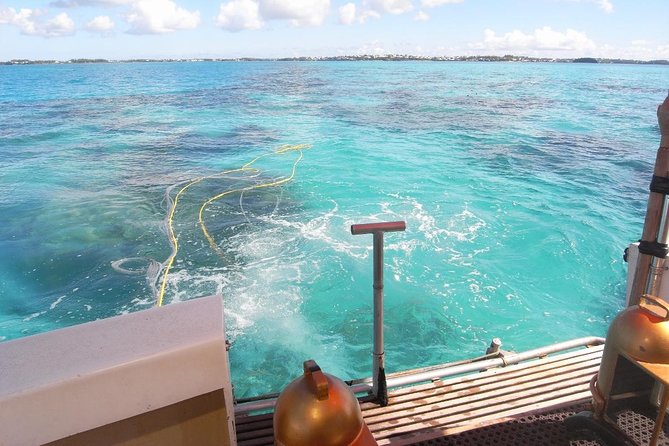
At $150 per person, this is not a cheap way to spend a morning. The price makes more sense when you count the equipment, boat, instruction, wetsuit when needed, crew time, and unusual access to the sea floor.
You are paying for a specialty activity, not a basic beach outing. The experience gives you something snorkeling cannot easily provide: the ability to stand still on the bottom, keep your face dry, and examine fish and coral at close range. For a family or cruise visitor looking for one memorable activity, that can justify the cost.
The value is less convincing if you mainly want extended time in the water. Your personal underwater session lasts 30 to 40 minutes, and the rest of the three-and-a-half-hour schedule includes transport, instruction, fitting, and waiting for other groups. A smaller group or a private booking might appeal more if you dislike downtime, though no private option is specified here.
Photos and video cost extra. Add that to the budget only if you want a keepsake. The basic experience includes the equipment and instruction, but not the optional media.
Who will enjoy this most
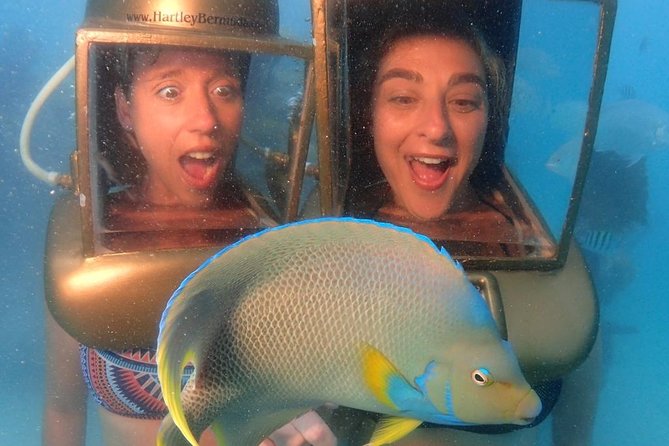
I would choose this for families with children aged five and up, cruise visitors in Dockyard, adults who cannot swim confidently, and anyone who finds snorkeling awkward. It also suits people who want to learn about Bermuda’s sea life rather than simply look at it from a boat.
The helmet is a good solution for people who dislike putting their face in the water. You can breathe normally, and the crew stays with the group. That does not remove every physical demand, since you must use the ladder and spend time standing or kneeling on the bottom.
This may not suit you if you want to roam freely, swim fast, or spend the entire outing below the surface. One person wanted more freedom to explore the immediate area. The guided format is safer and more informative, but it limits independence.
The activity also requires a health questionnaire. Conditions such as asthma and heart problems may require a doctor’s consent. Ask the operator before booking if you have any concern.
Weather, cancellations, and timing
The outing depends on favorable weather. High winds can cause cancellation, in which case you are offered another date or a full refund. The same applies if the minimum number of participants is not met, though one cancellation account suggests communication can sometimes be an issue. I would keep your phone available and avoid scheduling a flight or another fixed activity too close to this outing.
You can cancel for a full refund up to 24 hours before the local start time. Cancellations or changes inside 24 hours are not refunded or accepted. That policy matters in Bermuda, where weather can change your plans quickly, so check the forecast and book early enough to preserve flexibility.
The activity usually takes three to four hours, with the advertised duration around three and a half hours. Allow extra time after the scheduled finish if you have a cruise departure, meal reservation, or another tour.
Should you book Hartley Helmet Diving?
I would book it if you want a close, low-skill way to see Bermuda’s coral and fish. The easy breathing system, family operation, shallow water, and patient instruction make this more approachable than scuba or snorkeling for many people.
I would hesitate only if you need a fast-moving schedule, dislike group waiting, or want complete freedom below the surface. Ask about the current photo price, confirm the weather policy, and allow for separate underwater groups.
For a first undersea experience, especially with children or a mixed-age family, Hartley’s helmet walk offers a memorable way to meet Bermuda’s marine life without mastering snorkeling or scuba techniques. The 4.8 out of 5 score and 96 percent recommendation fit the strongest part of the outing: standing on the sandy bottom while fish gather close enough to identify, study, and sometimes gently touch.
FAQ
Where does the Hartley Helmet Diving experience begin?
It begins at 2 N Arm in Dockyard, Bermuda, and ends back at the same meeting point.
How long does the experience last?
Plan on about three to three and a half hours, though the full tour may run closer to four hours. Your time on the sea floor lasts around 30 to 40 minutes.
How deep is the water?
The activity takes place in about 11 to 14 feet of water on a sandy bottom.
Do I need to know how to swim?
Swimming ability is not listed as a requirement, and the helmet and grab bar support the activity. Most people can participate, but you should discuss any concerns with the operator before booking.
What equipment is provided?
The operator provides the special helmet and other required equipment. Wetsuits are supplied when the water is below 80 degrees.
What should I bring?
Bring a swimsuit, towel, and a spirit of adventure. You may also bring an underwater camera or GoPro. The boat has storage for clothing, towels, and valuables.
What marine life might I see?
You may see coral, snapper, hogfish, squirrel fish, angelfish, parrot fish, eels, shrimp, and other tropical fish. Named fish include George, a blue-striped grunt, and Herb, a red-speckled hind.
Can children take part?
The minimum age is five years old. All participants must complete a health questionnaire before entering the water.
What happens if the weather is poor?
If high winds or other poor weather cancel the activity, you can choose another date or receive a full refund. You can also cancel for a full refund up to 24 hours before the start time.
Just added around Bermuda
- Two Stop Snorkel and Shipwreck from Dockyard★ 4.5 · 33 reviews
- Bermuda Aquarium and Crystal Caves Admission★ 4.0 · 48 reviews
- 5 Hour Guided Private Tour of Bermuda★ 5.0 · 59 reviews
- Bermuda Sundeck Sightseeing and Snorkel Experience★ 4.5 · 42 reviews
- Private Bermuda Boat Charter Cliff Jumping, Islands & Sightseeing★ 5.0 · 43 reviews
- Railway Trail Bike and Beach Tour in Bermuda★ 4.5 · 42 reviews
- Bermuda Glass Bottom Boat Cruise★ 4.5 · 188 reviews
- Good Vibration Catamaran Sail Swim Snorkel★ 4.5 · 42 reviews
Scuba Diving, compared.
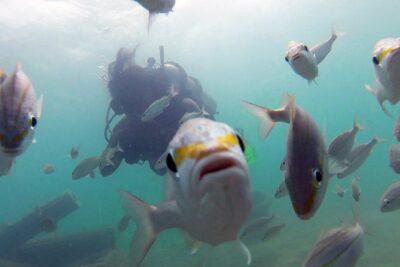
Beginner Scuba Diving with Turtles and Videos, San Juan
Read our review →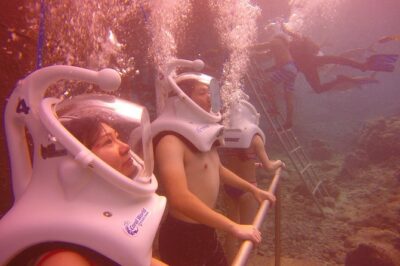
Sea Trek Helmet Dive at Coral World Ocean Park
Read our review →
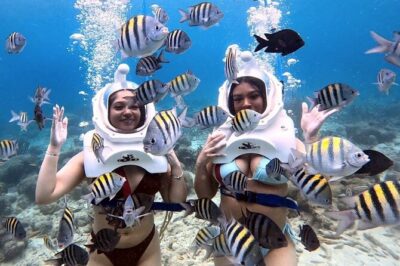
Curacao Helmet Diving-Walk the Ocean Floor, No Swimming Required
Read our review →
Two-Tank Morning Dive Trip for Certified Divers
Read our review →
Two-Tank Dive for Certified Diving in St Thomas
Read our review →
Scuba Doo Diving Experience in Punta Cana
Read our review →
Diving for Certified Divers, 2 Tanks Sosúa Bay
Read our review →Browse the lists this tour appears in